
 By
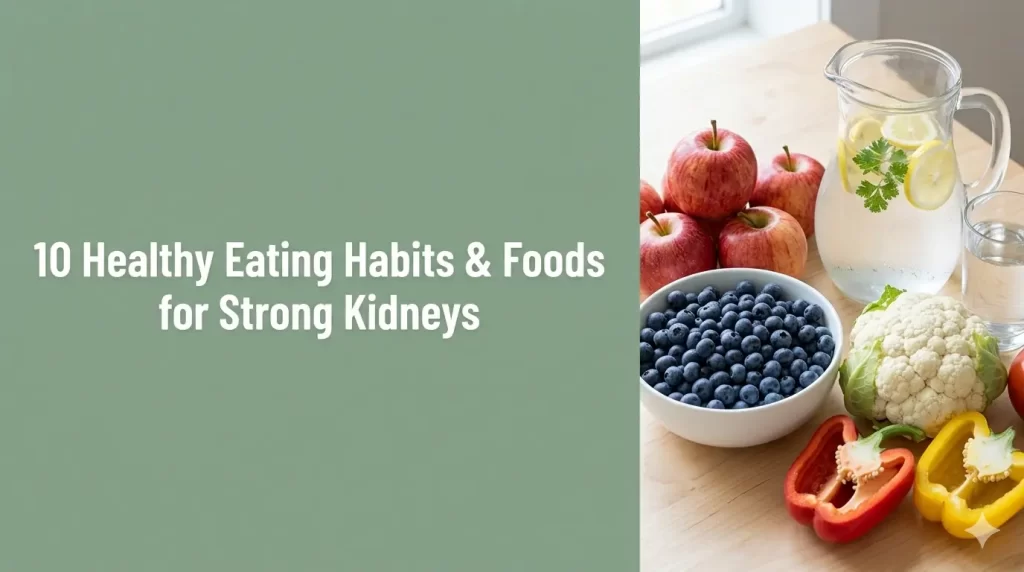
The kidneys do several important things for us, the most important being to filter waste from the blood, get rid of excess fluid, balance the different minerals in the body and regulate blood pressure. It is a function we tend to forget until something breaks.
The good news is healthy eating habits and a few lifestyle changes can go a long way toward supporting normal kidney function. Food alone can’t prevent or cure kidney disease, but your everyday choices make a real difference to the things that put kidneys at risk, such as high blood pressure and diabetes.
Let’s look at a few of the everyday food choices and habits that can help you look after your kidneys.
1. Include Fresh Fruits in Your Diet
Fresh fruit provides the essential vitamins, minerals, antioxidants and dietary fibre. Apples, berries, grapes and pineapple are all examples of fruit that can be part of a balanced diet.
Their nutritional value will contribute to general health and their fibre content will also be of benefit to the digestive system.
However, people with chronic kidney disease (CKD) may need to watch their potassium intake. Some of the fruits that would be perfectly fine for the general population may not be so suitable in large amounts for people with impaired kidney function.
2. Eat a Variety of Fresh Vegetables
Vegetables are a key component of a healthy eating pattern. Cabbage, cauliflower, bell peppers, onions and other fresh vegetables are all good sources of fibre and beneficial plant compounds.
Try to have a variety of different coloured vegetables in your meals each day rather than just sticking to one or two.
If you’ve got kidney disease then your potassium levels and your general state of health will be a factor in determining which vegetables are suitable.
3. Drink an Appropriate Amount of Water
Water helps the body to maintain fluid balance and enables the kidneys to get rid of waste via urine. It is important to stay adequately hydrated for normal body function. Our guide on how to stay hydrated during exercise has practical tips for active days.
However, drinking vast quantities of water doesn’t in any way improve kidney function or cleanse the kidneys.
Your fluid requirements will vary according to your level of activity, the climate you’re in, your general health and your kidney function. If you have kidney disease or heart failure, your doctor may advise you to limit fluids, so follow their guidance.
4. Reduce Excess Salt Consumption
Eating too much salt can lead to high blood pressure and fluid retention. If left uncontrolled high blood pressure can damage the blood vessels that supply the kidneys.
Cut down on your consumption of packaged snacks, processed foods, instant foods, pickles and the like (heavily salted products).
Instead, season food with herbs, spices, garlic and lemon so you rely less on salt. Watch out for salt substitutes too: many contain potassium, which is not suitable for everyone with kidney problems.
5. Choose Healthy Sources of Protein
Protein is vital for muscle growth, tissue repair and a number of other body functions. That said, it’s not necessarily a good idea to be consuming massive amounts of it (i.e. through supplements) just because you think you need to.
Include appropriate sources of protein in appropriate portions, according to your own nutritional requirements. Our guide to the role of carbohydrates, proteins and fats explains how much you need and why.
People with kidney disease may need to modify their protein intake in line with their kidney function and their treatment. If you’re contemplating a high protein diet and you have any kidney issues at all you should talk to your doctor about it.
6. Include Antioxidant-Rich Foods
Oxidative stress is linked to a number of health conditions. Foods that contain antioxidants can be a part of a balanced, healthy diet.
Berries, apples, all the colourful vegetables and the like provide all sorts of antioxidant compounds. Read more in our guide to antioxidants in a healthy diet.
Rather than go down the expensive supplement route or buy all sorts of ‘kidney detox’ products (your kidneys and liver already do the detoxing, as we explain in what your body actually needs from a “detox”), just eat a wide variety of whole foods.
7. Maintain Healthy Blood Pressure
High blood pressure is one of the key risk factors associated with kidney damage. The kidneys have a network of tiny blood vessels which are responsible for filtering the waste from the blood.
When BP is not well controlled these blood vessels can become damaged over time.
Regular blood pressure monitoring, reduced salt intake, exercise and adherence to treatment can all help to protect the kidneys. For more on keeping your blood vessels healthy, see what really helps your heart and blood pressure.
8. Manage Blood Sugar Levels
Diabetes is another major cause of CKD. Chronic hyperglycaemia will damage the tiny blood vessels within the kidney.
People with diabetes should monitor their blood sugar, take their treatment as prescribed, eat a balanced diet with less added sugar (see where sugar hides in everyday foods) and attend regular reviews, including kidney checks.
Effective management of diabetes can go a long way to reducing the risk of kidney problems. Regular activity helps too, as we explain in exercise and type 2 diabetes.
9. Stay Physically Active
Regular physical activity is good for the heart, helps with weight management and is associated with better blood pressure and blood sugar control.
You don’t necessarily need to do an intense workout programme. Walking, cycling, swimming, yoga or whatever else is appropriate for your own fitness level will be of benefit.
Try to stay consistent and gradually build up an activity routine that you can comfortably maintain. Our article on exercise and lifestyle habits that protect your kidneys has routines for every fitness level.
10. Avoid Unnecessary Supplements and Self-Medication
Some supplements, herbal preparations and medicines can have an effect on kidney function (especially if taken in excess or without medical supervision).
Don’t use any product that’s advertised as a kidney cleanse or a detox treatment without first checking with your doctor or pharmacist that it’s safe.
Always get the advice of your doctor prior to starting any supplements or to regularly use any pain relief medication, particularly if you already have kidney problems. Regular use of anti-inflammatory painkillers such as ibuprofen can affect the kidneys, so don’t take them long-term without medical advice. If you do take a supplement, our guide to choosing a multivitamin explains what to look for.
When to See a Doctor
Kidney disease often causes no symptoms in its early stages, which is why regular checks matter if you have diabetes, high blood pressure, heart disease or a family history of kidney problems. A simple blood test (eGFR) and urine test can show how well your kidneys are working. Our guide to regular health testing explains which checks to ask about.
See your doctor if you notice swelling in your ankles, feet or face, changes in how often you urinate, foamy or blood-stained urine, persistent tiredness or itchy skin.
Final Thoughts
Healthy kidneys are vital for your overall wellbeing. Although no single food will keep your kidneys entirely healthy, following a balanced diet and living a healthy lifestyle can genuinely help your kidneys function normally.
Make fresh fruit and vegetables a regular part of a balanced diet, reduce your intake of salt, keep your blood pressure and blood sugar in check and get physically active.
Most importantly, people with existing kidney disease have different dietary needs. Their diet should be tailored to their kidney function and blood test results, ideally with help from their doctor or a renal dietitian.
Taking small consistent steps today can lead to better health in the long term.
This article is for general information only and is not a substitute for advice from a doctor or other qualified health professional. If you have kidney disease or concerns about your kidney health, please speak to your doctor. Read our medical disclaimer.
Disclaimer: This article is for general information only and is not medical advice. Always talk to a doctor or other qualified health professional before making changes to your diet, exercise, supplements or treatment, and seek urgent care in an emergency.