
 By
By 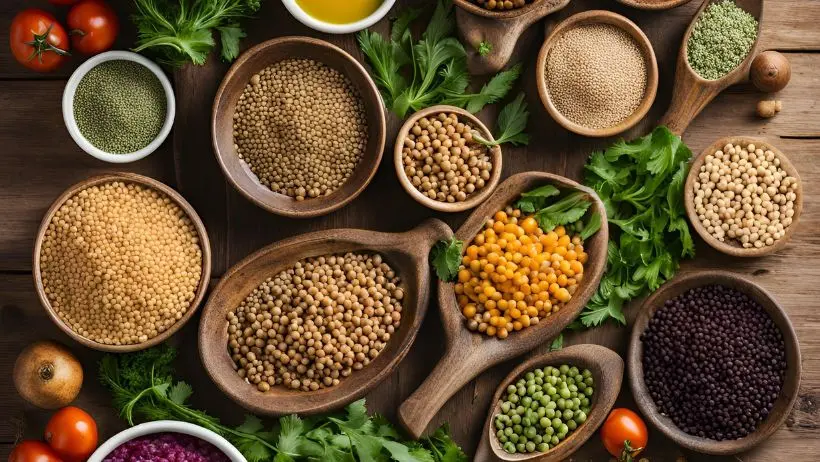
Making the switch to veganism can be likened to entering a maze of food choices. Do not be alarmed, daring eater! This is a hilarious yet educational introduction to the best plant-based protein sources that will keep you energized and enthusiastic.
1. Legumes: The Scene for Beans
Lentils: A cup of these little powerhouses has roughly 18 grams of protein. They are constantly willing to provide a hand (or a gram), much like the overachievers of the legume world.
Lentils: A cup of these little powerhouses has roughly 18 grams of protein. They are constantly willing to provide a hand (or a gram), much like the overachievers of the legume world.
2. Tempeh and Tofu: The Superstars of Soy
Tofu: A half-cup of this adaptable staple has roughly 21.8 grams of protein. It absorbs tastes like a sponge, making it the vegan equivalent of a chameleon.
Tempeh: A high-protein, probiotic-rich fermented soybean food. It is tofu’s funky cousin, adding a firm texture and nutty taste to the dish.
3. The Wheat Meat, Seitan
Seitan: Also referred to as wheat gluten, 3.5 ounces of seitan contain roughly 25 grams of protein. In a variety of cuisines, it displays its muscle-like texture, making it the bodybuilder of plant proteins.
4. Nuts and Seeds: Small Yet Powerful
Hemp Seeds: Just three tablespoons deliver a whopping 10 grams of complete protein. These seeds are the free spirits of the plant kingdom, brimming with omega-3 fatty acids.
Chia Seeds: These minuscule powerhouses are loaded with protein, fiber, and omega-3s. Toss them onto your breakfast bowl and watch them puff up with enthusiasm (and hydration).
Almonds: A small handful serves as a protein-packed snack, rich in healthy fats. They exude charm and sophistication, always ready to dazzle.
5. Grains: The Carbohydrate Champions
Quinoa: This pseudo-grain boasts 8 grams of protein per cup and includes all nine essential amino acids. It’s the star student of the grain family, consistently exceeding expectations.
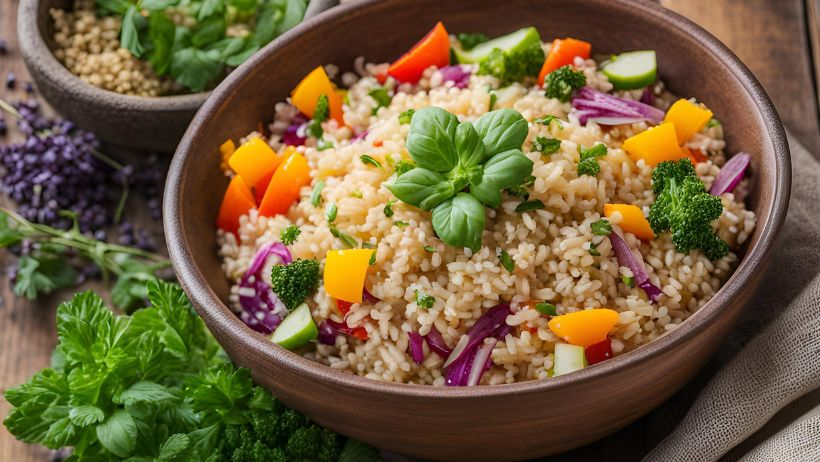
Brown Rice: A wholesome grain that keeps you satisfied for longer, it’s the dependable companion in your culinary escapades.
6. Vegetables: The Green Powerhouses
Broccoli: Bursting with nutrients and an unexpected amount of protein, it stands tall as the tree of life on your plate.
Brussels Sprouts: These petite cabbages are loaded with vitamin C and protein, making them the hidden treasures of the vegetable realm.
7. Plant-Based Milks: The Creamy Contenders
Soy Milk: With a moderate environmental impact and solid nutritional benefits, it’s the classic choice that strikes a balance between flavor and health.
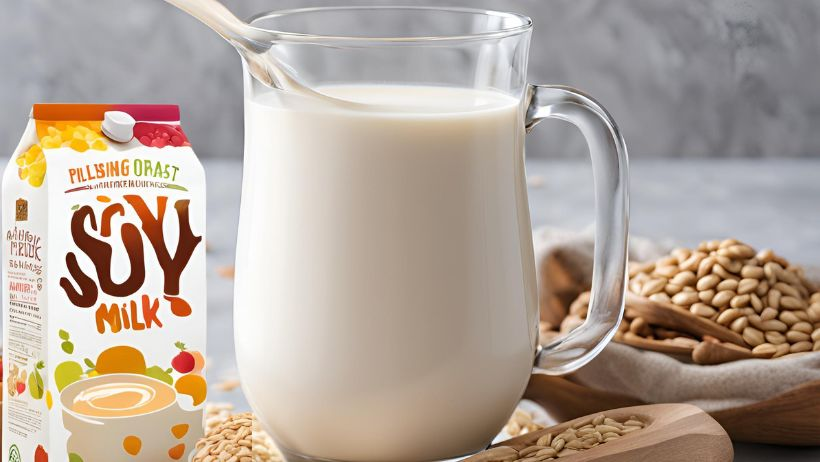
Soy Milk: With a moderate environmental impact and solid nutritional benefits, it’s the classic choice that strikes a balance between flavor and health.
8. Edamame: The Snackable Soybeans
Edamame: These youthful soybeans are not only delightful to munch on but also deliver a significant protein boost. They’re the life of the snack scene.
9. Nutritional Yeast: The Cheesy Pretender
Nutritional Yeast: This inactive yeast is a complete protein that imparts a cheesy flavor to your meals. It’s the stealthy agent, blending in nutrients and deliciousness.
10. Legume-Based Pastas: The Noodle Innovators
Chickpea Pasta: A gluten-free choice that packs more protein and fiber than traditional pasta. It’s pasta with a mission.
According to a survey, plant-based food is becoming increasingly popular.
The study, which analyzed data from 1999 to March 2020, revealed a clear shift in dietary preferences, signaling a growing awareness of the health benefits associated with plant-based proteins. With more and more individuals opting for plant-based alternatives, the findings underscore the increasing appeal of plant-powered nutrition.
Furthermore, the 2025-2030 Dietary Guidelines Advisory Committee advocates favoring plant-based proteins over animal proteins, emphasizing the advantages of legumes, nuts, and seeds.
In conclusion: Embrace the plant power.
Transitioning to a vegan diet does not require sacrificing protein or flavor. Adopting plant-based protein sources is not only a wise nutritional decision, but also a significant step toward a better and more sustainable lifestyle.
Plant proteins, which are high in important nutrients, fiber, and heart-healthy fats, help to build muscle, improve digestion, and lessen the risk of chronic diseases. Unlike animal-based proteins, they provide additional benefits such as antioxidants and a lower environmental impact. With these various and delicious plant-based protein sources, you’ll be well-prepared to eat a healthy and pleasant diet. So mix and match these possibilities and watch your culinary inventiveness bloom like a well-watered chia pet.