
 By
By 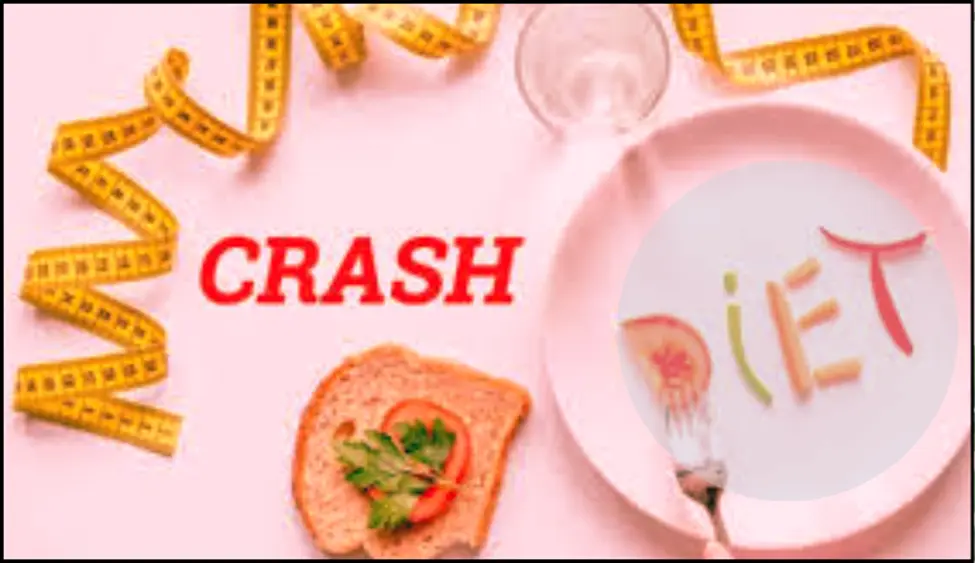
►INTRODUCTION
Many people resort to crash diets—intense, short-term eating programs that promise instant results—in an attempt to lose weight and reach fitness goals. These diets are controversial in the health and fitness community since they frequently call for drastically cutting calories and removing vital nutrients. However, do crash diets actually work or do they have unstated risks? The science underlying crash diets, as well as their advantages, disadvantages, and better substitutes for long-term weight loss, are examined in this article.
► Crash Diets: What Are They?
Crash diets are harsh and restrictive eating patterns intended to encourage rapid weight loss over a short period of time. These diets severely restrict calorie intake, frequently removing vital food groups and nutrients, rendering them unsustainable and potentially dangerous. Unlike balanced diet plans that focus on steady, long-term weight management, crash diets rely on harsh food limitations, which can lead to swift but temporary weight reduction. Crash diets are commonly classified as liquid-based detox plans, single-food regimens such as the cabbage soup diet, and extremely low-calorie meal plans. While crash diets may provide short-term benefits, they frequently result in muscle loss, nutritional shortages, reduced metabolism, and an increased risk of weight return once normal eating resumes.
►The Allure of Dietary Crash Plans
1. Quick Loss of Weight
Because crash diets impose rigorous calorie restrictions, they frequently result in rapid weight loss. According to a research in the American Journal of Clinical Nutrition, following a very low-calorie diet (VLCD) for just one week can lead to a weight loss of 3–5 kg.
2. Instant Inspiration
For individuals seeking a quick fix prior to an event or special occasion, seeing instant results on the scale can serve as motivation.
3. Structure and Simplicity
The majority of crash diets are easier for people to follow without complicated meal preparation because they include straightforward guidelines and organized meal plans.
►The Drawbacks of the Crash Diet
1. Muscle mass loss
Reduction of muscle, not fat, is frequently the cause of rapid weight reduction. An investigation published in the Journal of the International Society of Sports Nutrition found that severe calorie restriction can cause lean muscle tissue to be broken down, which slows down metabolism.
2. Inadequate Nutrition
Vitamin and mineral shortages brought on by removing important dietary categories might result in exhaustion, decreased immunity, and difficulty concentrating.
3. Decreased Rate of Metabolism
When the body is severely deprived of calories, it enters “starvation mode,” which lowers the metabolic rate. Weight gain is frequently the result of a sluggish metabolism after regular eating resumes.
4. A Higher Chance of Eating Disorders
Frequent crash dieting can lead to binge eating and yo-yo dieting, which can contribute to an unhealthy connection with food, according to the National Eating Disorders Association.
5. Imbalance of Electrolytes and Dehydration
Water weight accounts for a large amount of the early weight loss, which causes electrolyte imbalances and dehydration, which can result in weakness, headaches, and dizziness.
►The Effects of Crash Dieting on the Mind
1. A rise in anxiety and stress
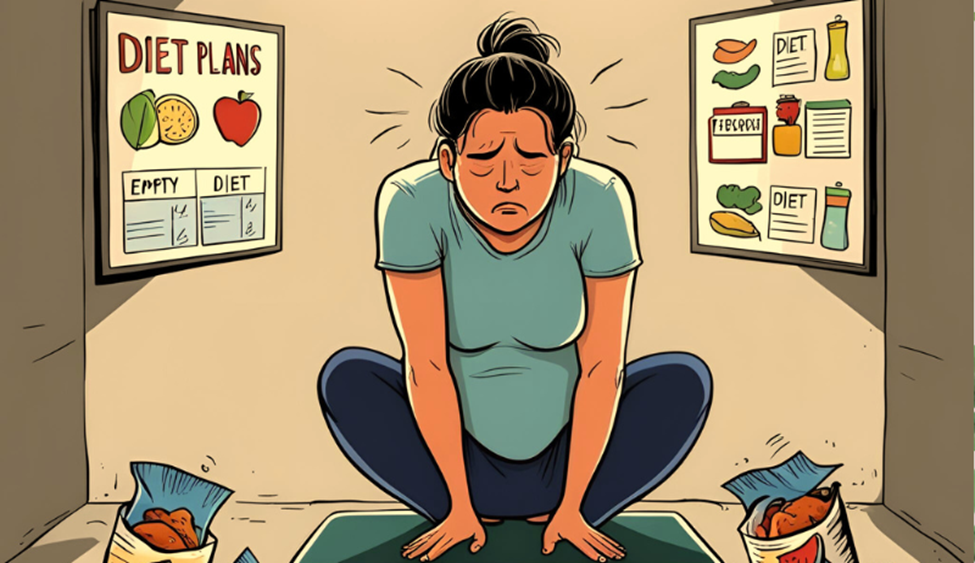
Limiting one’s food intake can cause anxiety, mood changes, and irritation. According to a Harvard Medical School study, severe dieting may raise stress hormone levels, which could cause emotional instability.
2. Impractical Expectations
False hope is sometimes caused by short-term weight reduction, as people think they can retain outcomes without developing long-term habits.
3. Risks of Weight Cycling
The yo-yo effect (losing weight quickly and gaining it back) can cause body dissatisfaction and frustration, exacerbating poor dietary habits.
►What Experts Say: Latest Research on Crash Diets.
Recent surveys and studies show that:
According to a University of Oxford research, 95% of participants who followed crash diets regained the weight they lost within a year.
Extreme dieting, according to the American Heart Association, can raise the risk of heart disease since it causes weight fluctuations and puts stress on the cardiovascular system.
According to a National Institute of Health assessment, those who follow balanced, moderate-calorie-reduction diets lose more weight and keep it off for longer than those who follow crash diets.
►Healthy Alternatives to Crash Dieting
1. A balanced diet with a caloric deficit.
Instead of extreme restriction, aim for a 500-700 calorie deficit per day to support consistent, long-term weight loss.
2. Protein and fiber-rich diets
Protein helps to maintain muscular mass, whereas fiber keeps you satiated for longer, minimizing overeating.
3. Intermittent Fasting(IF)
Unlike crash diets, Intermittent Fasting (IF) allows for natural calorie control while also supplying critical nutrients. The 16:8 fasting strategy is a popular one (16 hours of fasting and 8 hours of eating).
4. Strength Training and Exercise.
A combination of aerobic and strength exercise aids in fat loss while retaining muscle mass, minimizing metabolism slowing.
►Conclusion: Are Crash Diets Worth it?
While crash diets may appear to be an enticing way to lose weight quickly, they frequently pose major health concerns and provide unsustainable effects. Evidence demonstrates that modest, long-term lifestyle adjustments are essential for maintaining a healthy weight and fitness level. Instead of focusing on harsh limits, the greatest method for long-term success is to eat a balanced, nutrient-dense diet and exercise regularly. True health and well-being are achieved through long-term habits rather than quick cures.