 By
By 
INTRODUCTION
Move over kale and quinoa—chia seeds were flexing their superfood status before it was cool. Long before they found their way into hipster smoothies and Instagrammable overnight puddings, chia seeds were fueling warriors, feeding empires, and—no joke—playing a role in religious rituals.
Yes, those tiny black specks stuck in your teeth have a rich, globetrotting history that dates back thousands of years. Let’s take a wild and weird journey through time to uncover how chia seeds went from ancient currency to modern-day superfood royalty.
Chia seeds: What Are They?
Let’s begin with the fundamentals.
The Salvia hispanica plant, a flowering member of the mint family that is indigenous to Central and South America, is the source of chia seeds.
Packed with protein, fibre, antioxidants, and omega-3 fatty acids, they are little but powerful.
They take on the consistency of gel when soaked in fluids. It’s similar to that one needy friend who never lets go in terms of food.
Additionally, chia has ancient street cred, which sets it apart from other health foods.
Ancient Civilisations’ Chia: The Gods’ Seeds?
The Aztecs: Conquest of Chia
The Aztecs had chia, but they didn’t have protein smoothies or Gatorade.
Alongside maize and beans, chia was a staple crop.
Chia was regularly consumed by warriors prior to combat in order to increase their strength and endurance.
Because it was so valuable, it was sacrificed to the gods during religious ceremonies and even used as money.
Consider using chia seeds to pay your taxes. Make it paleo, IRS.
The Mayans: Sources of Power
Fun fact: The Mayan word meaning “strength” is where the word “chia” originates.
According to the Mayans, Chia gave:
- Physical endurance
- Mental acuity
- And possibly the ability to triumph at ancient dodgeball
They held chia in such high regard that it was regarded as sacred and thought to have both therapeutic and spiritual benefits.

Cultural Comeback: From Obscurity to Chia Pudding Fame
After the fall of these mighty civilizations, chia went MIA for a while—kind of like that one hit wonder from the ‘90s. Spanish colonizers weren’t chia fans, so the crop faded into the background.
But fast-forward to the 21st century, and boom—chia made a comeback so dramatic it could’ve won an Oscar.
Modern Health Craze
Thanks to research, influencers, and the rise of the “wellness lifestyle,” chia seeds were rediscovered and rebranded as the ultimate Instagram-friendly health hack.
A 2025 survey by the Global Superfood Trends Index found:
- 68% of health-conscious adults have chia seeds in their kitchen.
- 47% of millennials admit they’ve tried to make chia pudding “at least once.”
- And 8% believe chia seeds taste better when photographed in a mason jar.
Why Is Chia So Amazing? (Apart from its ego)
Let’s dissect the nutritional boast:
1. Fatty Acids Omega-3
- Per gram, more than salmon
- Excellent for heart health, cognitive function, and letting your body know you appreciate it.
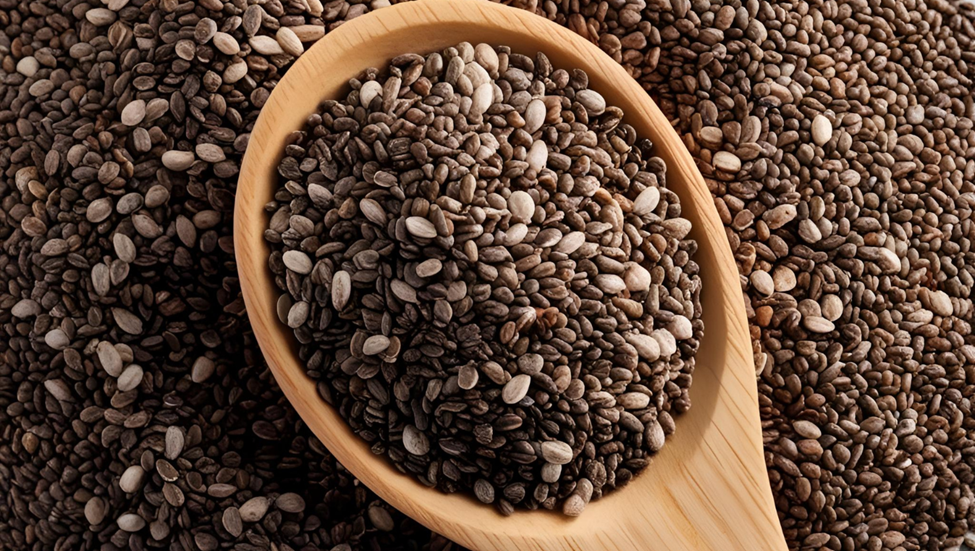
2. Fibre and Protein
- The digestive system’s MVP is 5g of fibre every tablespoon.
- Rich in plant-based protein, ideal for meat eaters who enjoy experimenting as well as vegans and vegetarians
Chia Around the World: A Global Glow-Up
Mexico: Agua de Chia (a.k.a. Nature’s Energy Drink)
Still popular today, agua de chia mixes the seeds with water, lemon juice, and sweetener. It’s hydrating, refreshing, and makes Gatorade look like it’s trying too hard.
India: Chia vs. Sabja
While chia is a newer player in Indian markets, many confuse it with sabja seeds (basil seeds).
Pro tip:
Sabja = instant swelling, often used in falooda.
Chia = takes longer to absorb water, ideal for that aesthetic pudding content.
USA: Smoothie Bowl Superstar
- In the U.S., chia seeds have achieved near-celebrity status.
- From Trader Joe’s shelves to Gwyneth Paltrow’s Pinterest boards, they’re:
- Mixed in yogurt
- Baked into muffins
- And occasionally used in things no one asked for (chia kombucha? Why?)
The Downside (Because Nothing Is Perfect)
Sure, chia is great—but even superfoods have their kryptonite.
1. Digestive Drama
Eat too much dry chia without soaking it first and… let’s just say your intestines won’t thank you. In fact, they might file a formal complaint.
A 2023 Gut Health survey found:
9% of chia users experienced bloating or stomach discomfort when overconsumed or eaten dry.
Pro Tip: Always soak your chia. It’s not a pop-it-in-your-mouth seed unless you enjoy surprise crunch hydration.
2. The Price of Being Trendy
Chia can be pricey. Some brands are essentially saying:
- “Pay us $12 for these seeds… trust us, they’re organic and harvested by moonlight.”
- Look for bulk options, and remember—Aztecs used it as currency, not capitalism.
Chia’s Future: What Comes Next?
Chia is expected to remain at the top of the health food hierarchy due to the increased interest in plant-based, sustainable nutrition. It is:
- Minimal effect on farms
- Water-saving
And incredibly adaptable (hey, crackers, pancakes, chia jam, and even face masks)
Food scientists are already looking into using chia in environmentally friendly packaging and as a meat alternative. To be honest, it wouldn’t be shocking if chia seeds entered the 2030 election.
Concluding Remarks: Little Seed, Huge Legacy
Who knew that a seed the size of a freckle would leave such a significant historical mark?
Chia seeds have conquered time, civilisations, and culinary fads, from Aztec battles to Whole Foods shelves, and they have emerged as one of the most nutrient-dense, travel-savvy, and strangely gelatinous foods on
Chia seeds have triumphed as one of the world’s most nutrient-dense, travel-savvy, and strangely gelatinous foods, having traversed time, civilisations, and culinary fads from Aztec battlefields to Whole Foods aisles.
Therefore, keep in mind that you are consuming a legacy the next time you add chia seeds to your smoothie or attempt to pass off chia pudding as something other than nutritious tapioca.
A snack for warriors. A holy superfood. A health superhero on a microscale
You’re also undoubtedly pooping better, if nothing else.
Regards, Chia