 By
By 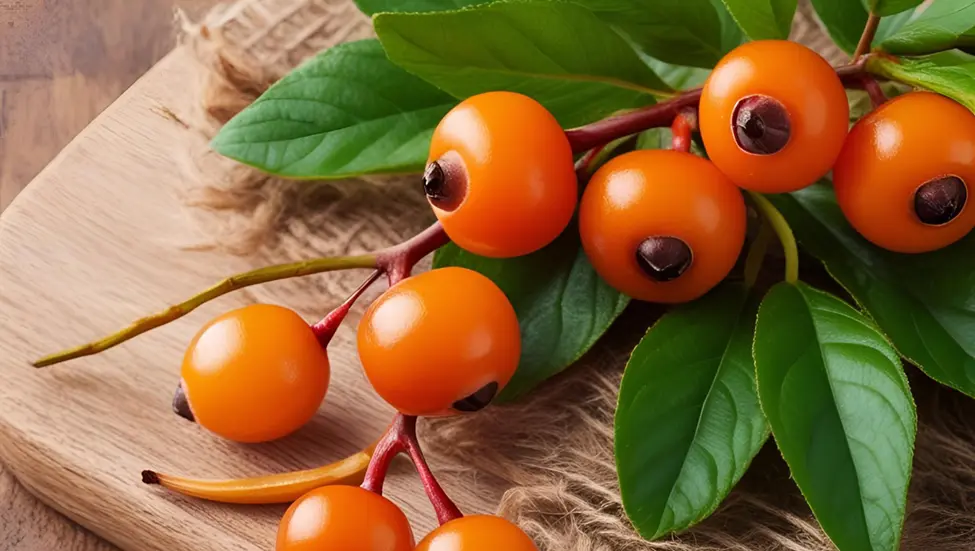
►INTRODUCTION
If you’re not already obsessed with seabuckthorn, you’re about to be. This bright-orange berry sounds like it belongs in an underwater comic book (“Seabuckthorn: Defender of the Omega-7!”), but it’s actually a tiny fruit with giant health benefits—and it’s been quietly showing up in everything from skincare to smoothies.
So what’s the deal with this thorny little powerhouse? Why is it popping up in your health store, your Instagram ads? Let’s take a deep, juicy dive into seabuckthorn: where it came from, what it does, and why your body might love it more than your ex’s Netflix password.
►What Even Is Seabuckthorn?
First things first: no, it’s not seafood and it has nothing to do with deer. Despite its misleading name, seabuckthorn is:
- A shrublike plant found in Europe, Asia, and cold climates (it thrives in soil most plants ghost after one date).
- Packed with small, bright-orange berries that look like nature’s sour candies
- Used for centuries in traditional medicine in Tibet, China, and Russia to heal everything from wounds to indigestion.
- Oh, and it’s pronounced “see-buck-thorn”—not “sea buckhorn,” “sea broccoli,” or “salty thorn-berries,” although those would also be deliciously weird.
►The Science: Why This Berry Is Basically Nature’s Multivitamin
Seabuckthorn may be small, but it’s got more nutrients than your average vitamin aisle. Seriously, it’s like the berry version of a protein shake that went to medical school.
►Nutritional Mic Drop:
- Omega-3, 6, 9… AND 7 (yes, Omega-7 is real and rare—like a helpful group chat)
- Rich in Vitamin C—up to 12 times more than oranges!
- Beta-carotene, Vitamin E, and B-complex vitamins
- Amino acids, flavonoids, and antioxidants galore
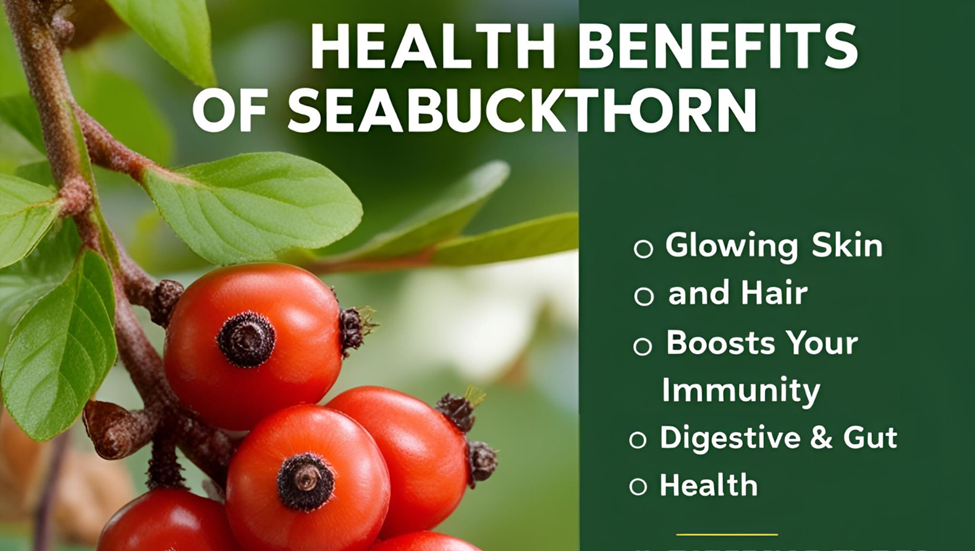
►Health Benefits: So, What Can It Do for Me?
If seabuckthorn were a person, it would be your overachieving friend who runs marathons, speaks three languages, and somehow remembers your dog’s birthday.
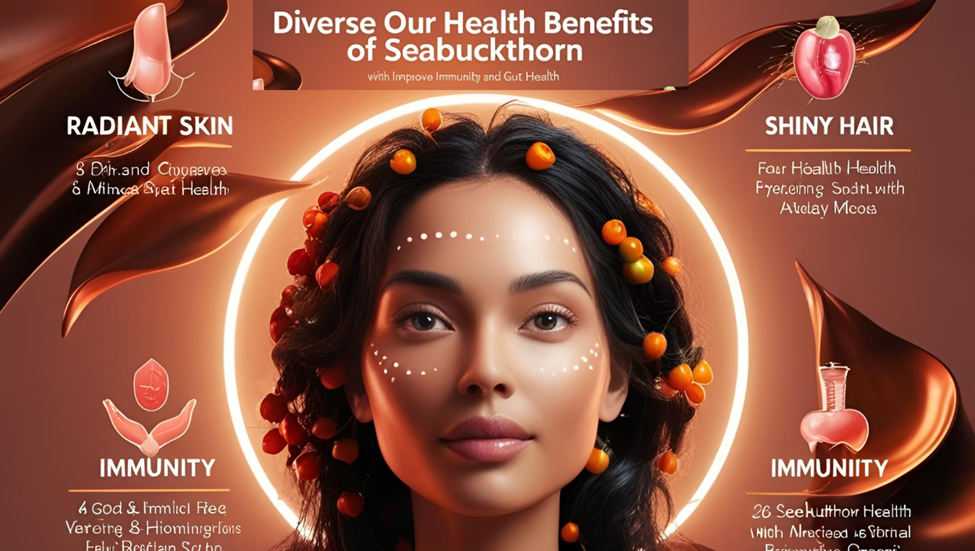
1. Glowing Skin and Hair
Thanks to Omega-7 and Vitamin E, seabuckthorn:
- Moisturizes from the inside out
- Reduces signs of aging and sun damage
- Strengthens hair follicles (say goodbye to that awkward bald patch)
- One beauty brand even markets it as “liquid gold for your face.” Dramatic? Yes. Accurate? Also yes.
2. Boosts Immunity
- Packed with antioxidants, seabuckthorn helps your body fight off:
- Infections
- Viruses
- That guy at the office who never covers his sneeze
A 2025 immunity trends survey found that nearly 60% of health-conscious consumers reported turning to seabuckthorn as part of their daily supplement routine during cold and flu season.
3. Heart Health Hero
- Helps lower bad cholesterol (LDL)
- Supports circulation
- Keeps blood pressure in check
- It’s like a natural insurance policy for your arteries
4. Digestive & Gut Health
The oil from seabuckthorn berries can:
- Soothe ulcers
- Reduce inflammation in the GI tract
- Improve overall digestion
- So if your stomach’s been acting like it needs a therapist, this might help calm things down.
►How to Use It Without Becoming an Orange
Okay, so seabuckthorn is fantastic, but how do you utilize it? Do you eat this? Rub it on your face? Create a potion and chant beneath a full moon?
1. Juices and Smoothies.
- Tart, acidic, and vitamin-rich
- Combines well with mango, pineapple, and ginger
2. Seabuckthorn Oil for Internal Use
- Available in pill or bottle form.
- Take one teaspoon daily (check the label—this is not maple syrup).
- Ideal for skin, digestion, and immunity.
3. Skincare products.
- Look for it in moisturizers, facial oils, and serums.
- Helps with eczema, acne, and sunburn healing.
Bonus: your bathroom shelf will appear quite “earthy-chic.”
4. Culinary Adventures
- Use the berries in jams, sauces, and even cocktails.
- Tart flavor = perfect pairing with sweet or savory dishes.
- Fancy brunch idea: Seabuckthorn & honey scones. You’re welcome.
►Are There Any Side Effects?
Look, even superfoods have their moody days. Seabuckthorn is generally safe, but:
- Overdoing it can cause diarrhea or stomach cramps (let’s call that the “too much of a good thing” clause).
- People with low blood pressure should consult a doctor—it may lower it even more.
- The juice is tangy AF. Your face may do that involuntary sour-squint the first few sips.
As always: Start slow, check with a healthcare provider if you’re unsure, and don’t believe everything Susan from yoga class says without fact-checking.
►Survey Says: Seabuckthorn Is the Rising Star of Wellness
According to the 2025 Global Superfood Insights Report:
- 42% of millennials have tried seabuckthorn in some form in the past year.
- 61% of nutritionists surveyed said seabuckthorn deserves more shelf space in the supplement aisle.
- 83% of people who used seabuckthorn for skin health reported noticeable improvement within 8 weeks.
- Even better? 17% of users said seabuckthorn made them feel “glowier and superior,” which we assume means they were simply hydrated and smug. Either way, slay.
►Final Thoughts: Small Berry, Big Energy
Seabuckthorn may not be as famous as acai, matcha, or the legendary kale—but it’s punching way above its weight class. It’s like the health world’s under-the-radar best friend—the one who shows up with soup when you\’re sick, boosts your self-esteem, and also moisturizes your elbows.
So if you’re looking to:
- Level up your nutrition
- Support your skin, immune system, and gut
- Pretend you’re a Viking warrior who eats superberries for breakfast
- Then seabuckthorn might just be your new favorite obsession. Tart, tiny, and totally loaded—this berry didn’t come to play.