 By
By 
Introduction: PCOS – The Uninvited Guest
Polycystic Ovary Syndrome (PCOS) is like an overstaying relative; it affects approximately 10% of women of reproductive age worldwide (World Health Organisation, 2024).
Symptoms include irregular periods, weight gain, acne, mood fluctuations, and excessive hair growth (because why not?).
While there is no cure for PCOS, lifestyle adjustments, particularly those related to fitness and diet, can be quite beneficial.
Why is fitness a game changer for PCOS?
Exercise regulates hormones by balancing insulin and androgens, which are out of control in PCOS.
Weight Management: Approximately 70% of women with PCOS gain weight
Exercise improves mood: Although PCOS can cause anxiety and despair, it also generates endorphins, or happy hormones.
Improves Fertility: Regular activity can help manage ovulation.
Top Exercises for PCOS: Why Crunches Aren’t Enough
1. Strength Training: Lift Heavy and Live Better.
Helps build muscle mass, which increases insulin sensitivity.
Increases metabolism , making it simpler to keep a healthy weight.
Examples include squats, deadlifts, push-ups, and resistance band training.
According to a survey, 58% of women with PCOS believe that strength training is the most effective way to manage their weight.
2. Cardio: Sweat It Out, PCOS Style
Helps with heart health and weight loss.
HIIT (High-Intensity Interval Training) is especially effective for improving insulin resistance.
Example: Jogging, cycling, jump rope, or Zumba (yes, dancing counts!).
Survey Says: Women who did 150 minutes of moderate cardio weekly saw a 25% reduction in PCOS symptoms (American Journal of Sports Medicine, 2024).
3. Yoga & Pilates: Zen Mode Activated
Lowers cortisol levels (stress hormone), which can worsen PCOS symptoms.
Improves flexibility, core strength, and mental clarity.
Example: Sun salutations, warrior poses, and controlled breathing techniques.
Survey Says: Women who practiced yoga 3 times a week for 12 weeks reported a 30% decrease in anxiety and menstrual irregularities (National Center for Biotechnology Information, 2024).

4. Walking, the Underrated Hero.
Simple but effective, particularly for beginners.
Helps to control blood sugar levels and relieve stress.
According to a survey, walking for 30 minutes each day helped 65% of women reduce their PCOS symptoms.
The PCOS Diet: Fuelling Your Fitness Journey.
1. Foods To Love (Your Ovaries Will Thank You!)
Lean Proteins: Chicken, tofu, fish, and eggs promote muscle growth and satiety.
Healthy fats include avocados, almonds, and olive oil, which help to balance hormones.
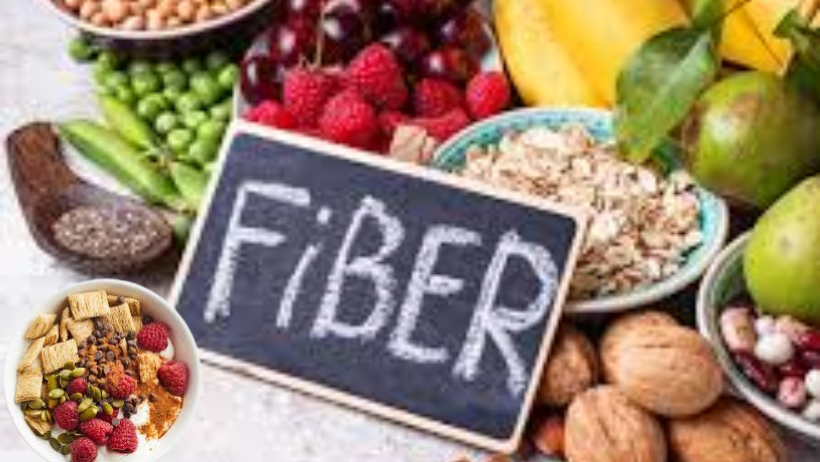
Fiber-Rich Foods: Leafy greens, berries, and legumes can help regulate blood sugar.
According to a survey, women who followed a Mediterranean diet improved their insulin sensitivity by 40% (Diabetes & PCOS Journal, 2024).
2. Foods to Give Up (Or at the Very Least, Ghost Sometimes)
White bread, pastries, and sweet cereals—yes, the ones with cartoon mascots—are examples of processed carbohydrates.
Sugary Drinks: Too much fruit juice and soda raise insulin levels.
Fried and packaged meals include trans fats, which will upset your hormone balance.
According to a survey, eliminating processed sugars reduced acne associated with PCOS by 35% (Dermatology Journal, 2024).
Manage stress: because PCOS likes drama
High levels of cortisol = aggravated PCOS symptoms.
Mindfulness, deep breathing and journalization can help reduce stress. The survey indicates: Women who practiced meditation within 10 minutes a day reported a decrease in anxiety and 22% stress (Health Body Body, 2024).
Supplements for PCOS Warriors
- Inositol: Helps to regulate insulin and support fertility.
- Omega-3 fatty acids: Reduces inflammation.
- Vitamin D: Crucial for hormonal balance (and many with PCOS are short!).
The survey states: 70% of women who use inositol supplements have recorded more regular cycles within six months (PCOS Research Institute, 2024).
Sleep and PCOS: your beauty exchange is important
- Bad sleep worsens hormonal imbalances and insulin resistance. It focuses for 7-9 hours of sleep (yes, beauty sleep is real!).
- The survey says: women with good sleep hygiene have recorded an improvement of 28% in general well -being (Sleep & Health Journal, 2024).
Conclusion: Small steps, big wins
Pcos could be annoying, but is manageable with the right changes of fitness, diet and lifestyle.
No unique approach to everyone: find what works for you and be consistent.
Final thought: your ovaries could be rebel, but with the right game plan, you can overcome in cunning!
PCOS Warriors, your journey to health begins now: a step, a squat and a conscious breath at a time!