
 By
By 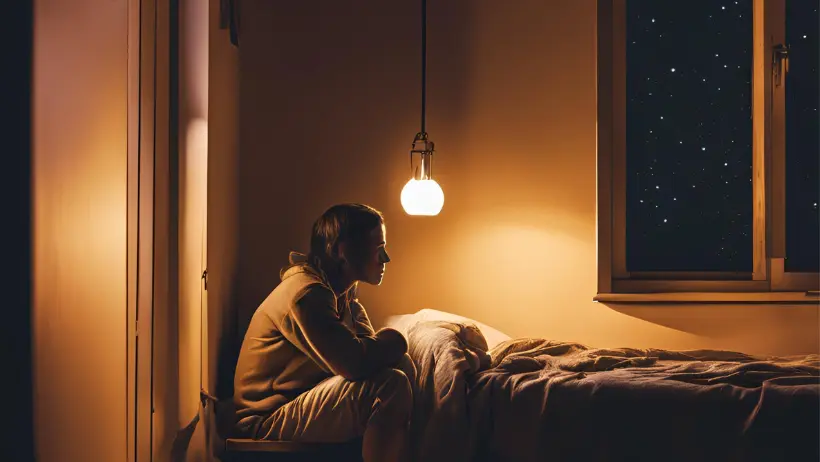
Introduction: The Struggle of Sleeplessness
Insomnia—an experience characterized by lying awake at 3 a.m., contemplating profound questions, such as the reasons behind not pursuing a career as a professional llama groomer. If you have found yourself engaged in this nightly ritual, you are certainly not alone. Insomnia not only deprives individuals of restorative sleep but also adversely affects mental health. Let us explore the intricate relationship between insomnia and mental wellness, while maintaining a tone that invites a light-hearted reflection.
The Widespread Issue: A Society of Night Dwellers
In an era dominated by caffeine consumption and the allure of “just one more episode,” it is unsurprising that insomnia is becoming increasingly prevalent. A survey conducted by the American Academy of Sleep Medicine (AASM) reveals that approximately 12% of Americans have been diagnosed with chronic insomnia. This statistic translates to about 1 in 8 individuals—implying that if you find yourself at a gathering with eight attendees, statistically, one person may be secretly longing for the comfort of their own bed. The Interconnectedness of Insomnia and Mental Health
Insomnia and mental health disorders are intricately linked, resembling the age-old question of which came first, the chicken or the egg. Studies reveal that approximately 75% of individuals suffering from depression also experience insomnia. This creates a cyclical pattern: “I am unable to sleep due to anxiety, and my anxiety is exacerbated by my inability to sleep.” Thus, we find ourselves trapped in a continuous loop of sleeplessness and distress.
Adolescents: Champions of Late Nights
Adolescents are often recognized for their penchant for late-night activities, yet these late hours are not solely filled with enjoyment and social media. According to the National Sleep Foundation’s 2024 Sleep in America® Poll, more than one-third of teenagers report experiencing mild to severe depressive symptoms, with inadequate sleep playing a crucial role. Therefore, when you notice your teenager awake well into the night, it may be indicative of deeper issues.
The Gender Snooze Gap
Have you ever observed that women often experience greater sleep deprivation compared to their male counterparts? This phenomenon is backed by research findings. Studies suggest that women are more vulnerable to insomnia, influenced by a mix of hormonal fluctuations, societal pressures, and perhaps an ironic twist of fate. A survey by the World Health Organization found that over ten percent of women report feelings of gender discrimination, which is closely linked to higher levels of depression. When insomnia is factored in, it creates a challenging environment for a refreshing morning.
The Digital Sandman: How Screens Sabotage Sleep
In a world increasingly reliant on smartphones and perpetual online connectivity, our beloved devices may be compromising our sleep quality. Research from King’s College London shows that adolescents who engage in “problematic smartphone use” face a heightened risk of insomnia, anxiety, and depression. Thus, if you find yourself scrolling through your phone at 2 a.m., it might be wise to put the device down and consider a more traditional method of relaxation.

Breaking the Insomnia Cycle: Tips and Tricks
Do not lose hope, dear reader! There are practical strategies available to help you reclaim your nights and improve your mental health without resorting to counting sheep.
Cognitive Behavioral Therapy for Insomnia (CBT-I): This method goes beyond conventional therapy. CBT-I aims to change sleep-related behaviors and challenge misconceptions about sleep. It serves as a way to retrain your brain’s sleep patterns without the need for technological intervention.
Limit Alcohol and Caffeine: Your late-night espresso martini may be interfering with your sleep. Instead, choose herbal tea, which is more sleep-friendly but less glitzy.
Establish a Calm Environment: Turn your bedroom into a haven. Purchase a comfortable mattress, blackout curtains, and perhaps even one of those white noise generators that simulate ocean waves. Seagull sounds are more bothersome than calming, so just stay away from them.
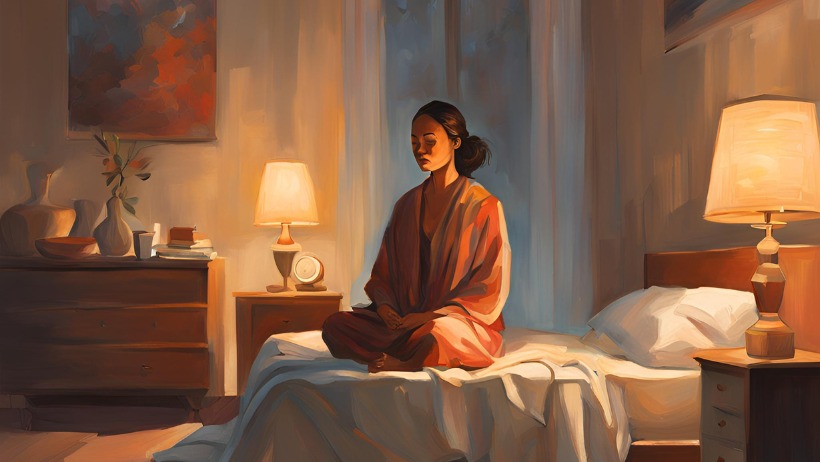
Mindfulness and Relaxation Techniques: Before you roll your eyes, hear this out. Meditation and deep breathing are two practices that might help you relax and be ready for bedtime. It’s also an excellent reason to purchase that fancy meditation software you’ve been admiring.
When to Seek Professional Help:
If you’ve tried every trick in the book and are still wide awake at unusual hours, it may be time to contact a professional. Chronic insomnia might be a sign of deeper problems that need to be addressed. Remember that requesting help is not a sign of weakness; it demonstrates your dedication to self-care. Plus, therapists frequently have the most comfortable seats.
Conclusion: Sweet Dreams are Made of Zzz’s.
Insomnia and mental health are inextricably linked in a complex dance, with each impacting the other in a not-so-fun tango. Understanding this relationship and taking proactive steps will help you stop the cycle and recover your nights. So here’s to comfortable sleep, peaceful dreams, and waking up without needing a gallon of coffee. Sleep tightly!