
 By
By 
In our rapidly moving world, achieving inner peace might feel challenging. However, mindfulness meditation presents a way to find calm within the chaos. By concentrating on the present, mindfulness aids in lowering stress levels, boosting self-awareness, and enhancing overall well-being. Here are five mindfulness meditation practices that can help you attain inner peace.
1. Mindful Breathing
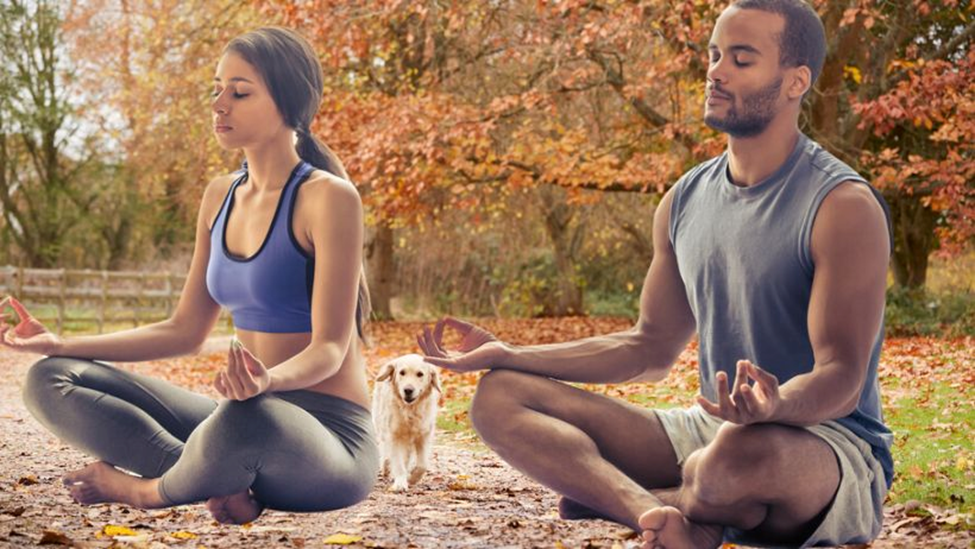
Mindful breathing serves as the foundation for numerous meditation techniques. It entails concentrating solely on your breath and observing each inhale and exhale without attempting to modify it.
How to Practice Mindful Breathing:
Find a Relaxing Position: Sit or lie down in a serene location where you won’t be interrupted.
Direct Your Attention to Your Breath: Close your eyes and focus on your breathing. Feel the air flowing in and out of your nostrils, notice your chest rising and falling, and be aware of your diaphragm’s movements.
Recognize Thoughts: It’s normal for your mind to drift. When thoughts appear, gently acknowledge them without judgment and bring your focus back to your breath.
Studies show that mindful breathing can greatly diminish stress and anxiety, leading to enhanced mental clarity and emotional stability.
2. Body Scan Meditation
Body scan meditation entails methodically directing your attention to various parts of the body, creating a strong connection between the mind and body.
Steps to Carry Out a Body Scan Meditation:
Get Comfortable: Lie flat on your back with your arms resting alongside your body.
Start with Your Toes: Focus your awareness on your toes, observing any sensations such as tension, warmth, or relaxation.
Progress Gradually: Slowly transition your focus up through your feet, legs, torso, arms, and head, spending a few moments on each section.
Notice Sensations: Recognize any discomfort or tension without attempting to change it. Simply observe and accept the sensations as they are.
Body scan meditation has been found to improve self-awareness and alleviate symptoms of stress and anxiety.
3. Meditation while strolling
The mental and physical advantages of mindfulness and walking are combined in walking meditation. It’s a great exercise for people who have trouble staying still for long stretches of time.
Methods for Walking Meditation:
Select a Calm Area: Look for a garden or a quiet park where you may stroll without being bothered.
Pay Attention to Your Steps: Slowly and deliberately walk, focusing on the feeling of each foot lifting, advancing, and lowering itself.
Use Your Senses: Take note of your breathing pattern, muscular activity, and the sensation of the ground beneath your feet.
Remain Present: If your thoughts stray, gently return them to the walking activity.
4. Loving-kindness Meditation
Loving-kindness meditation, referred to as “Metta” meditation, involves sending positive thoughts and intentions to both yourself and others. This practice fosters compassion and emotional strength.
Steps for Loving-Kindness Meditation:
Find a Relaxed Position: Sit in a quiet space with your eyes closed.
Cultivate Positive Emotions: Begin by focusing on yourself and quietly repeating phrases such as “May I be joyful.” “May I be well ” “May I be safe”
Broaden to Others: Gradually extend your positive wishes to others, starting with those you hold dear, then moving to acquaintances, and eventually to people with whom you might have disagreements.
Embrace your Emotions: Let your feelings of compassion and love grow with each repetition.
Research has demonstrated that loving-kindness meditation can enhance feelings of happiness while reducing self-criticism.
5. Techniques for Breathing
A range of breathing exercises are used in breathwork to enhance mental, spiritual, and physical health. By deliberately controlling their breathing, people can gain emotional control and a sensation of calm.
Common Breathing Methods:
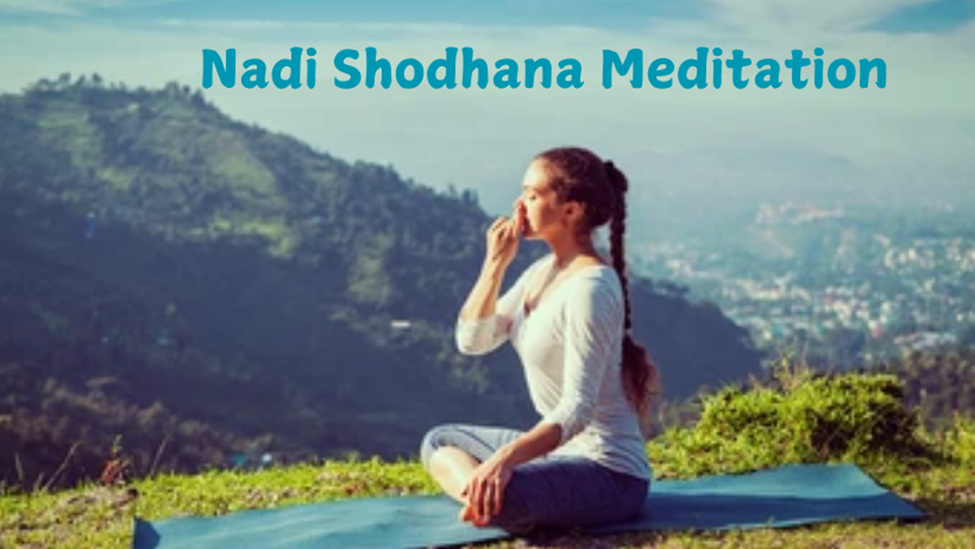
Alternate nostril breathing, or Nadi Shodhana, is a yoga technique that balances the body and mind by inhaling through one nostril and exhaling through the other.
Box breathing, sometimes referred to as tactical breathing, is the process of taking a breath, holding it, letting it out, and then holding it for four seconds each time.
By taking a breath via the nose and gently releasing it through pursed lips, pursed lip breathing helps to improve airflow and lessen dyspnoea.
Including breathwork in your routine can help you focus better, feel less stressed, and encourage
Conclusion
Incorporating these mindfulness meditation practices into your everyday life can lead to greater emotional stability and inner serenity. Whether you prefer concentrating on your breathing, practicing mindful movement, or fostering compassion, each method provides distinct advantages. Begin with the technique that speaks to you the most, and slowly try out others to discover the ideal mix for your path toward peace.


