
Role of Carbohydrates, Proteins & Fats

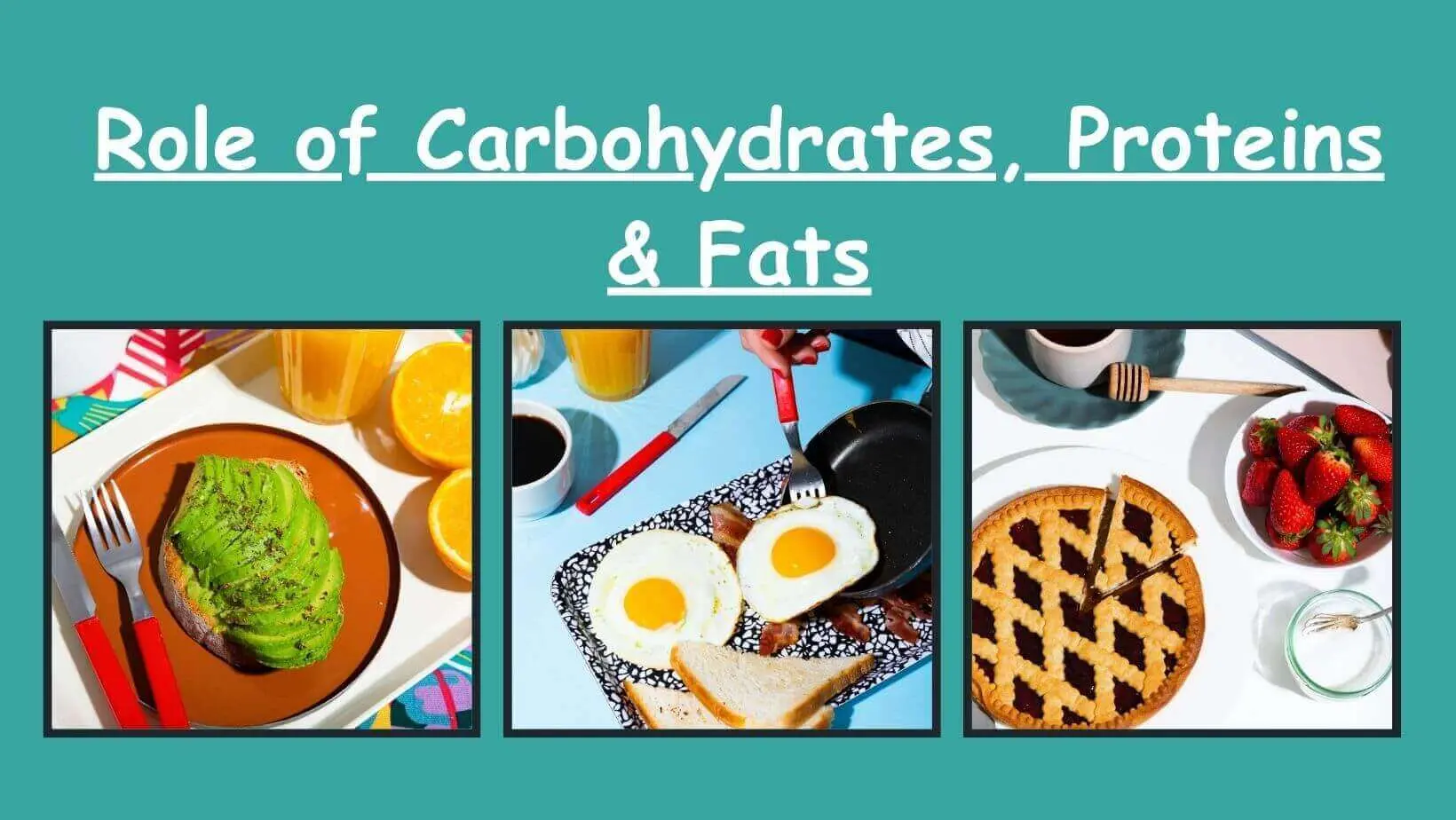
A balanced diet is a combination of all the nutrients. It should fulfil all bodily requirements. Food gives us energy to work, play and to do all activities. A balanced diet must fulfil all bodily requirements. Carbohydrates, proteins and fats are essential for our body. It is pertinent to consume a diet that comprises all the nutrients. Fruits, vegetables, and nuts are the source of carbohydrates, proteins and fats.
Role of Carbohydrates:
Carbohydrates are energy-giving foods and are the primary source of energy. Wheat, rice, and cereals are the primary source of carbohydrates. People, who consume a lot of physical energy, should focus on sufficient intake of carbohydrates. When the body consumes carbohydrates, it is simplified and broken down into glucose and then it can be readily used by cells as fuel.
Not only the body, but the brain which operates all the body functions heavily, relies on glucose for its energy requirements. Cereals are a good source of fiber too. They are also helpful in regulating the metabolism and contribute to digestion too. So it is essential to include grains, fruits, veggies and legumes in our diet to satisfy all carbohydrate requirements.
Role of Proteins:
Proteins are essential for our body and can be called muscle building foods. They contribute to the growth, repair and maintenance of the tissues in the human body. Proteins have a prominent role to play in repairing our muscles, skin, hair, nails and other organs. Proteins can be obtained from plant-based products or animal-based products.
Plant-based proteins: Proteins that can be obtained from plant sources are:
- Legumes: these includes beans, lentils and chickpeas.
- Soy products: these may include tofu, tempeh, and edamame. Soya is the most prominent source of proteins.
- Nuts: almonds, cashew nuts, and dry fruits are the major source of proteins. They not only build immunity but also increases muscle strength.
- Whole grains: Some whole grains do contribute to the protein content. Whole grains like Quinoa and other grains are a rich source of proteins.
Thus proteins provide us with energy when we are unable to take sufficient carbohydrates and fats. It is crucial to include proteins in our diet.
Animal-based proteins:
For non-vegetarians, meat is a source of protein. Meat, poultry, fish and eggs are the major sources which help to derive energy. Inhabitants of areas that have a highly cold temperature, survive with the help of a protein-rich diet intake.
Role of Fats:
Fats are essential for every human being. They are also called lipids. They provide a concentrated form of energy. Fats have an important role in maintaining healthy cell membranes. They have a role in the production of hormones and regulate inflammation. Fats are generally taken in a negative sense. But it is crucial to note that fats are of two types: good fats and bad fats. So if taken in moderation, fats are good for health. Some of the good sources of fats are olive oil, avocados, nuts and seeds. On the other hand, the intake of trans fats or unsaturated fats should be limited like butter, fatty meats or processed foods.
Thus, every nutrient has an important role to play. They help in healthy living and well-being. We must focus on consuming a balanced diet that should be a combination of all the nutrients. It should include roughage and adequate water. A balanced diet ensures an increased life span and healthy living. You must always consult a trained diet practitioner before making any major changes to your diet.

This is one of those places where you can get organic/ gluten free/ healthy food and is really popular for this reason.
Great work!