
Understanding Your Smile: The Connection Between Teeth Health and Wellness

INTRODUCTION
Let’s begin with a simple truth: your smile holds great power. It’s the common sign of kindness, self-assurance, and happiness. However, behind that shine is something more significant — your smile also shows your overall health.
Yes, those bright teeth and healthy gums serve more than just looking good in selfies. They act like your body’s hidden health reporters, giving hints about what’s going on inside you. So, if you think dental care is only about brushing, flossing, and a quick rinse before your dentist appointment — it’s time to upgrade your routine.
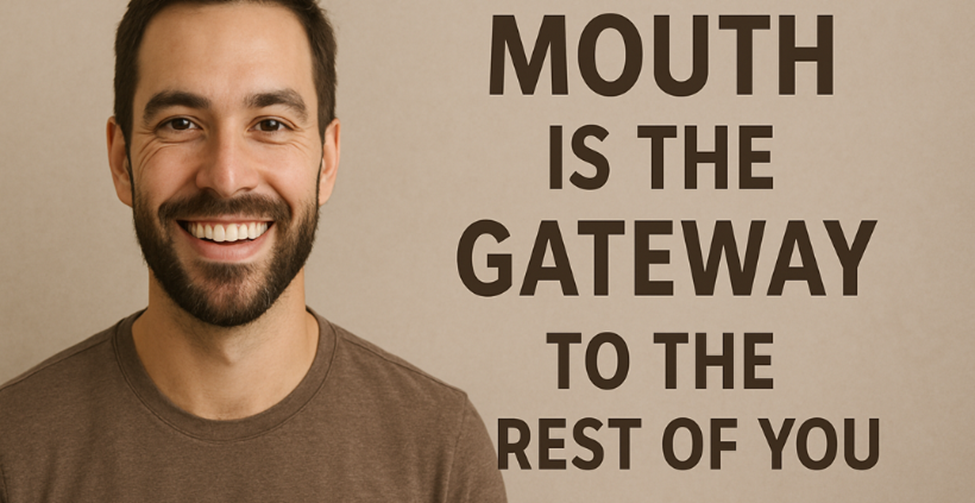
1. Your mouth is the gateway to the rest of you.
Consider your mouth the opening act in the concert that is your body. Everything that goes in, including food, beverages, and microorganisms, begins its trip there.
When your mouth is healthy, everything else runs more smoothly. But when isn’t it? Problems spread faster than you believe. Gum disease, for example, has been related to heart disease, diabetes, respiratory problems, and even cognitive function.
So yes, those gums demand special treatment. They’re not simply there to keep your teeth in place; they’re also responsible for the stability of your complete body.
Brushing and flossing twice a day is not only good for your breath; it’s also preventive medicine.
2. The Relationship between Smiling and Confidence.
You are familiar with the sensation that occurs when you display a sincere smile and receive a smile in return. It provides an immediate boost to one’s mood. However, there is also scientific reasoning that supports it. Smiling activates the production of endorphins, serotonin, and dopamine — the brain’s inherent “feel-good” substances.
Therefore, maintaining your dental health is not merely a matter of appearance — it is also a form of care for your mental well-being. When you have confidence in your smile, you are more inclined to laugh, interact, and connect with others in your surroundings.
Here is the interesting aspect: your smile does not need to be “flawless. ” It simply needs to be authentically yours. A genuine, healthy smile is always preferable to an overly edited smile.
3. Nutrition: The Key to a Bright Smile
You may have heard the saying “you are what you eat,” but your teeth reflect what you nourish them with. Every bite you take can either make them stronger or weaker.
Calcium, phosphorus, and vitamin D help keep your enamel tough. Crunchy fruits and vegetables work like natural toothbrushes, cleaning plaque as you chew. On the other hand, sugary treats and acidic drinks are the sneaky troublemakers that damage your enamel and lead to cavities.
And let’s not overlook the importance of water — it’s the best thing for your mouth. It helps remove food bits, balances the acidity, and keeps your saliva flowing. (Did you know? Saliva is more than just spit — it’s a natural shield for your teeth! )
Smart alternatives:
- Opt for sparkling water instead of soda.
- Grab almonds for a snack instead of candy.
- Use a straw when you drink things that are high in acid.
Your smile will appreciate it later.

4. The Two-Way Street between the Mouth and the Gut
Here’s a cool thing: Your mouth and gut are always communicating behind your back. Your mouth’s bacteria can have an impact on your gut microbiome, and vice versa.
An imbalance and inflammation in your stomach may result from poor oral health, such as tooth decay or harmful germs from gum disease. Conversely, a healthy gut can help maintain the balance of your mouth’s environment.
Thus, probiotics are not just for digestion; they’re also beneficial for your smile. Foods like kimchi, yogurt, sauerkraut, and kefir can encourage beneficial bacteria that aid in maintaining good oral and digestive health.
Who could have known? A contented stomach results in a joyful smile.
5. Stress, Sleep, and Smiles: The Hidden Triangle.
Have you ever noticed that when life becomes stressful, your jaw tightens or you begin grinding your teeth at night? (Yes, your dentist noticed, too.)
Stress affects not only your mood, but also your oral health. Grinding and clenching can wear down enamel, causing jaw pain. Poor sleep can disrupt saliva production and cause inflammation.
The solution: Mindfulness, relaxation techniques, and regular sleep schedules. Basically, the things we all promise to do but rarely do. Even 10 minutes of deep breathing before bedtime will help you relax while also protecting your teeth.
The Overall Message: A Healthy Smile Means a Healthy You
Your smile isn’t just a sign of good dental hygiene — it’s a reflection of your overall health. It reveals how well you eat, sleep, handle stress, and take care of yourself.
So the next time you brush your teeth, don’t think of it as a chore. Think of it as a moment for self-care. You’re not merely cleaning your enamel — you’re investing in your confidence, health, and happiness.
Because in the end, a healthy smile doesn’t only improve your appearance — it also changes how you feel. And that’s definitely worth smiling about.