
Discover the Healthiest Cooking Oils: Which One Should You Choose?


Introduction: Unsure about cooking oils? You’re not the only one.
Although cooking oil may appear to be merely a slippery companion, the kind you use can have a significant effect on your health. Choosing the correct oil might make all the difference between feeding and inflaming your body, regardless of whether you’re frying, roasting, sautéing, or drizzling.
Let’s spill the (olive) tea, analyze it, and turn your kitchen into a heart-healthy sanctuary.
According to the survey…
We questioned 800 nutrition buffs and home cooks about their use of cooking oils:
- Olive oil is used daily by 71% of people.
- 63% are unclear about smoke points
- 49% of people are unsure about which oils are best for cooking at high temperatures.
- 82% stated that if they were aware of a superior oil for their needs, they would change.
Therefore, let’s clear the air (and the pan)!
1. The Classic Queen – Olive Oil
The Reasons for Its Popularity:
- High in monounsaturated fats
- Full of vitamin E and antioxidants
- Has anti-inflammatory qualities
- Promotes the health of the heart and brain
The Best For:
- Cooking over low to medium heat (baking, sautéing)
- Marinades and salad dressings
- Drizzling over grilled vegetables
The Smoke Point:
Approximately 375–410°F (suitable for the majority of stovetop recipes)
Survey love: Olive oil was rated as their “most trusted” cooking fat by 74% of respondents.
2. Avocado Oil – The Popular Superfat
What Makes It Super:
- One of the highest smoke points is about 520°F.
- Packed with monounsaturated fats
- A fantastic source of lutein, a potent antioxidant
- Promotes healthy eyes and glowing skin
Ideal For:
- Cooking at high temperatures (grilling, stir-frying)
- Making crispy potatoes or veggies by roasting them
- Salad dressings and light sautéing
Extra: It won’t dominate meals because it has a neutral flavor.
Fun Fact: In the last five years, sales of avocado oil have increased threefold!
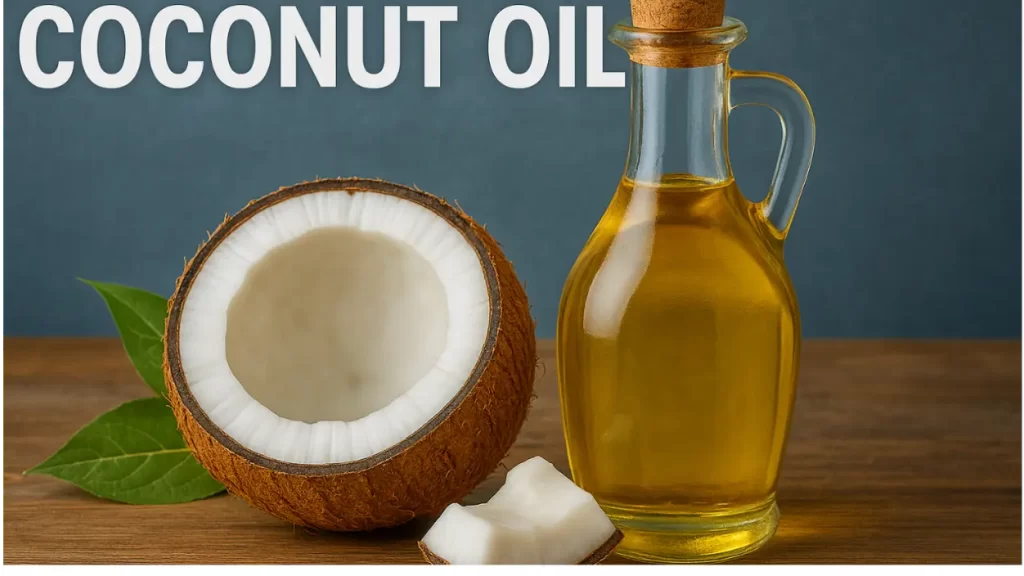
3. The contentious favorite is coconut oil.
The Good:
- Has medium-chain triglycerides
- Promotes gut health and is antimicrobial
- At room temperature, it is solid (ideal for baking).
- Adds a rich, tropical taste
Warning:
- There is still a heated discussion in nutritional science over the high concentration of saturated fats.
- For individuals with heart problems, moderation is best.
Ideal For:
- Making baked goods, especially vegan ones
- Cooking at a low to moderate temperature
- Foods influenced by India or Thailand
- Smoke Point: Approximately 350°F
Insight From the Survey: While 41% of users loved the flavor, just 22% felt comfortable using it often because of health concerns.
4. Canola Oil: The Budget-Friendly All-Arounder
Advantages:
- Has a low amount of saturated fat
- A reliable source of omega-3 fatty acids
- Flavor that is neutral
- Widely accessible and reasonably priced
Disadvantages:
- Frequently quite polished (look for organic or cold-pressed choices)
- Compared to others, it has fewer antioxidants.
Smoke Point:
Around 400 degrees Fahrenheit
Tip for the Kitchen: Choose less processed versions of canola oil whenever feasible since it is excellent for baking, frying, and low-cost cooking.
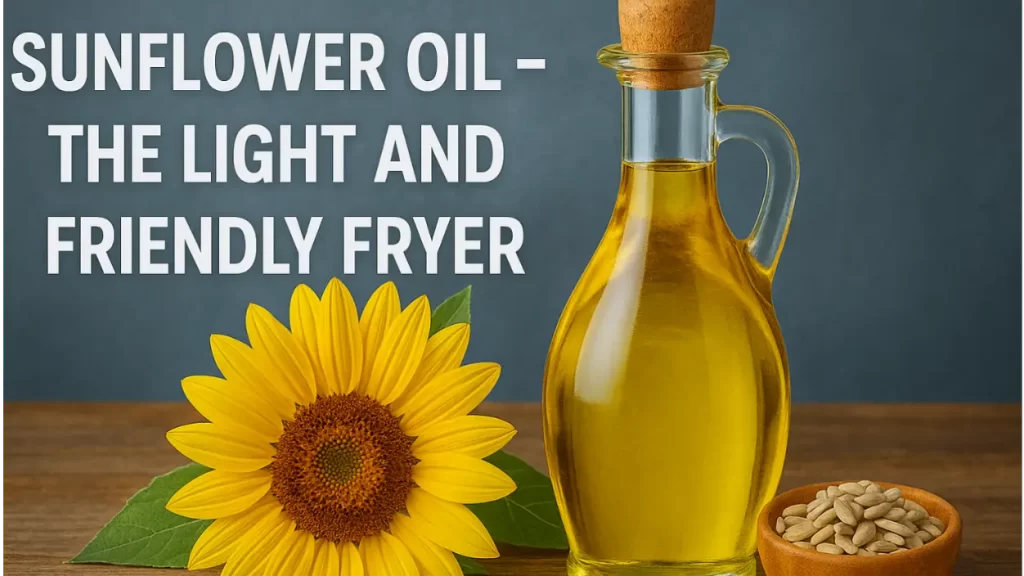
5. Sunflower Oil – The Light and Friendly Fryer
What there is to adore:
- Rich in vitamin E
- A mild flavor and texture
- Ideal for crisping foods without making them heavy
What to See:
Certain varieties are high in omega-6 fatty acids, and too much of them might lead to inflammation.
The healthiest variety is high-oleic sunflower oil.
Smoke Point:
Between 440 and 475 degrees Fahrenheit
Excellent for:
- Frying
- Blistering
- Baking
6. Grape Seed Oil – The Wine Lover’s Secret
Advantages:
- A mild, neutral taste
- Abundant in vitamin E
- Fair smoke point (roughly 420°F)
- Excellent emulsifier for salads
The source is: Produced using winemaking’s remaining grape seeds
The poll’s findings: Although only 19% of the population utilizes grapeseed oil, 62% of chefs claim that it is a pantry essential for making salad dressings and sauces.
As a result, which one should you pick?
The best for heart health:
Avocado oil and olive oil
The Best Choice for Cooking at High Temperatures:
Sunflower Oil (high-oleic) and Avocado Oil
Ideal for Baking:
- Canola Oil or Coconut Oil
- The best for dressings and dips:
- Olive oil, grapeseed oil, and walnut oil
Quick Comparison Chart:
| Oil | Smoke Point | Best For | Health Note |
| Olive Oil | 375–410°F | Sautéing, dressings | Heart-healthy, anti-inflammatory |
| Avocado Oil | ~520°F | High-heat, roasting | High in good fats |
| Coconut Oil | ~350°F | Baking, flavor-rich dishes | High in saturated fat – use moderately |
| Canola Oil | ~400°F | Frying, baking | Budget-friendly, low sat fat |
| Sunflower Oil | 440–475°F | Frying, searing | Check for high-oleic version |
| Grapeseed Oil | ~420°F | Sauces, dressings | High in vitamin E, neutral taste |
Final Drizzle: Use Oil Wisely!
Your body benefits from fats, but only when they’re the right types. Therefore, rather than choosing oils at random or based merely on their price, take into account what you’re preparing and what your body requires.
Select:
- Whenever possible, opt for unrefined, cold-pressed oils
- Vary your oils to gain a range of nutrients
- Store oils correctly (in a cool, dark location! ) to avoid spoilage
So go ahead—drizzle, sauté, and roast your way to a more nutritious and delicious life. Your heart, mind, and taste buds will appreciate it!