
 By
By 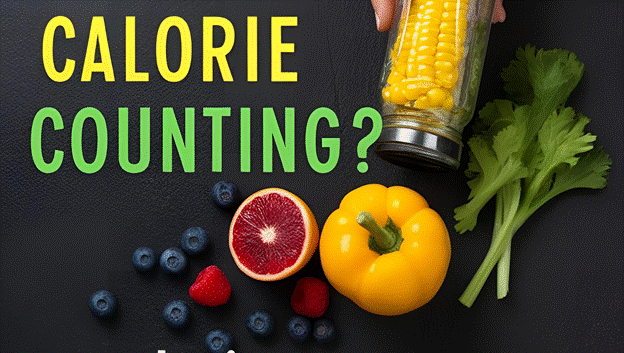
INTRODUCTION
If you’ve ever tried to lose weight, gain muscle, or simply fit into those jeans from 2019, you’ve probably run into calorie counting and fitness advice—and a ton of myths that sound scientific but are actually more fiction than a Netflix drama.
You’ve heard things like, “If you eat after 8 PM, your body will store it as fat,” or “Muscle weighs more than fat,” or that eating celery is the secret to immortality.
Let’s break down the most common myths about calorie counting and fitness—with a healthy dose of humor and the latest research—to help you navigate your health journey without the nonsense.
What Even Is Calorie Counting?
Before we bust myths, a quick refresher:
Calories = energy.
Your body uses calories for everything from blinking to burpees. Calorie counting is simply tracking how much energy you consume through food versus how much you burn.
Sounds simple, right? Well, the internet said, “Hold my protein shake,” and made it way more complicated.
MYTH #1: A Calorie Is a Calorie
Truth: Not All Calories Are Created Equal
- Yes, technically 100 calories of broccoli = 100 calories of chips. But your body processes them very differently.
- Broccoli comes with fiber, nutrients, and regret-free crunch.
- Chips come with salt, fat, and a mysterious urge to finish the whole bag.
- A 2024 study by the Nutrition Science Council found that people who consumed high-fiber, nutrient-rich foods—even at the same calorie level—had better energy levels and weight outcomes than those eating ultra-processed foods.
TIP: Eat for nutrition, not just numbers.
MYTH #2: Eating After 8 PM Makes You Fat
Truth: Timing Doesn’t Trump Total Intake
- Unless you’re having midnight pizza marathons every day, eating at night won’t magically turn your dinner into body fat.
- What matters is your total calorie intake versus your activity level over 24 hours.
- Your body doesn’t check its watch before digesting food.
- According to a 2025 report by the Global Health Dietetics Association, meal timing had minimal impact on fat gain unless paired with poor overall nutrition and a calorie surplus.
So go ahead—eat your 9 PM yogurt. Just maybe not an entire cake
MYTH #3: Exercise Cancels Out a Bad Diet
Truth: You Can’t Outrun a Fork
We’ve all told ourselves, “I’ll just do an extra 30 minutes on the treadmill and earn that burger.” But unless you’re training for the Olympics OR exercise won’t erase that triple-decker cheeseburger every time.
- 30 minutes of jogging = ~300 calories
- Cheeseburger with fries = ~1,200 calories
- The math isn’t mathing, friends.
- A 2024 World Health Organization study revealed that diet accounted for 70-80% of weight loss success, while exercise contributed to overall health, metabolism, and mood.
So yes, movement matters, but you can’t sweat your way past poor eating habits.
Myth #4: Muscle weighs more than fat.
Truth: A pound is a pound, but muscle is denser.
Let us clear this up:
A pound of muscle and one pound of fat weigh the same. Because a pound is a pound
What is the genuine truth?
- Muscle is denser and compacter than fat.
- This indicates that 5 pounds of muscle occupies less space than 5 pounds of fat.
- So what if the scale isn’t moving but your jeans are looser? You are winning. Do not allow gravity influence your mood.
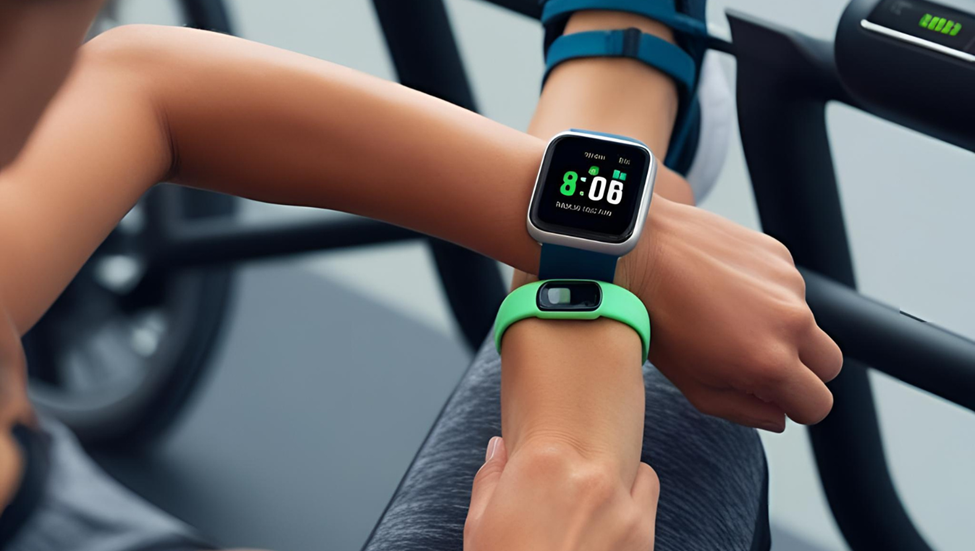
Myth #5: Fitness apps and smartwatches are always accurate.
Truth: Close but Not Gospel
- Your fitness watch indicates you burned 850 calories vacuuming and blinking. Probably not.
- A Stanford University study from 2023 found that most trackers overestimate calorie burn by 15-30%.
- Calorie counts on food labels might be inaccurate by up to 20%.
MYTH #6: Cheat Days Are Bad
Truth: Your Metabolism Isn’t That Fragile
- One “bad” meal doesn’t ruin your progress, just like one salad doesn’t make you a nutrition god.
- Restricting yourself too harshly often leads to bingeing..
MYTH #7: Juice Cleanses Detox Your Body
Truth: That’s Your Liver’s Job
- Unless your liver quit its job and joined a rock band, you don’t need a juice cleanse to detox.
- The body already has built-in detox systems (thanks, liver and kidneys).
- Most juice cleanses are high in sugar and low in fiber, making them the expensive equivalent of flavored sugar water.
Tip: Save your money. Eat your fruits, don’t blend your dignity.
✅ Real Tips That Actually Work
Let’s wrap with actual science-backed tips that don’t rely on bro-science or diet cults:
1. Prioritize Whole Foods
Less packaging = more nutrition.
2. Drink Water Like You’re Sponsored By It
Hydration helps everything from digestion to brain function.
3. Move Daily (Even If It’s Just Dancing Badly in the Kitchen)
Consistency > Intensity
4. Track Progress in More Than Just Pounds
Mood, sleep, strength, energy—these matter!
5. Sleep Is Not a Luxury, It’s a Strategy
Less sleep = more cravings and slower metabolism.
Final Thoughts: Myth-Busting Is the Real Workout
Here’s the truth: your body isn’t a calculator—it’s a complex, beautiful machine that wants balance, not punishment.
Calorie counting and fitness can be incredible tools, but they need to be paired with facts, flexibility, and the occasional chocolate chip cookie. So don’t fall for fitness folklore or nutrition nonsense—educate yourself, laugh a little, and take it one healthy step at a time.
Because getting healthier shouldn’t feel like unraveling a conspiracy theory. It should feel like loving yourself enough to say,