
 By
By 
INTRODUCTION
Heart disease is the biggest cause of death worldwide, but the good news is that many cases can be avoided with modest yet effective lifestyle adjustments. By adopting healthy habits, you can drastically reduce your risk and live a more vibrant lifestyle. Let’s look at the top lifestyle modifications that can improve your heart health, all supported by recent research and expert recommendations.
1. Kick the Habit: Stop Smoking.
Smoking is a significant risk factor for cardiovascular disease. Tobacco’s toxins can harm your heart and blood vessels, causing artery narrowing and eventually, a heart attack. Quitting smoking lessens this risk while also improving general health. The American Heart Association emphasizes that quitting smoking is one of the most important things you can do to enhance your heart health. Cleveland Clinic
2. Get Moving: Regular Physical Activity
One of the best strategies to prevent heart disease is to engage in regular physical activity. . The risk of cardiovascular problems might be considerably decreased with just 30 minutes of moderate activity most days of the week. Additionally, exercise helps control weight and lessens cardiac strain. Exercise also improves general wellbeing and reduces stress, which further protects the heart. By enhancing muscular function and mobility, strength training and flexibility exercises enhance aerobic workouts. The heart stays healthy and resilient when movement is ingrained in daily life, whether it be through dance, athletics, or even basic tasks like using the stairs. An active lifestyle promotes heart health over the long run by lowering
3. Sustain a Healthy Weight
Excess weight, particularly around the abdominal region, heightens the risk of cardiovascular disease. Visceral fat, which envelops internal organs, is especially detrimental. Increasing the consumption of plant-based foods within your diet may assist in diminishing visceral fat and promoting weight loss, consequently enhancing heart health.
4. Effectively Handle Stress
By increasing blood pressure and encouraging unhealthy coping strategies like smoking or overeating, chronic stress may be a contributing factor to heart disease. Heart health can be enhanced by including stress-reduction practices like yoga, meditation, and mindfulness. Furthermore, getting enough sleep every night promotes general wellbeing and lowers stress levels.
5. Restrict Your Alcohol Use
Heart failure, stroke, and elevated blood pressure can result from excessive alcohol use. Alcohol consumption, even in little doses, can raise the risk of heart disease, according to recent cautions. To safeguard your heart, it’s critical to be aware of how much alcohol you consume and to follow suggested restrictions.
6. Monitor and manage blood pressure.
High blood pressure is a major risk factor for cardiovascular disease. Regular monitoring and control, including lifestyle adjustments and, if necessary, medication, can help keep blood pressure in a safe range. The Centers for Disease Control and Prevention recommend that blood pressure be checked on a regular basis to manage and reduce the risk of heart disease.
7. Control Blood Sugar Levels
High blood sugar can damage blood vessels and nerves that control the heart. Managing blood sugar through a balanced diet, regular physical activity, and medications if needed is crucial, especially for individuals with diabetes. The American Heart Association highlights the importance of blood sugar management in reducing heart disease risk.
8. Schedule regular health screenings.
Regular health tests can discover risk factors such as high blood pressure, high cholesterol, and diabetes early on, allowing for appropriate treatment. Early detection and treatment for these diseases can dramatically lower the risk of heart disease. The Centres for Disease Control and Prevention urge regular check-ups to monitor these risk factors and keep your heart healthy.
9. Maintain Cholesterol Levels Under Control
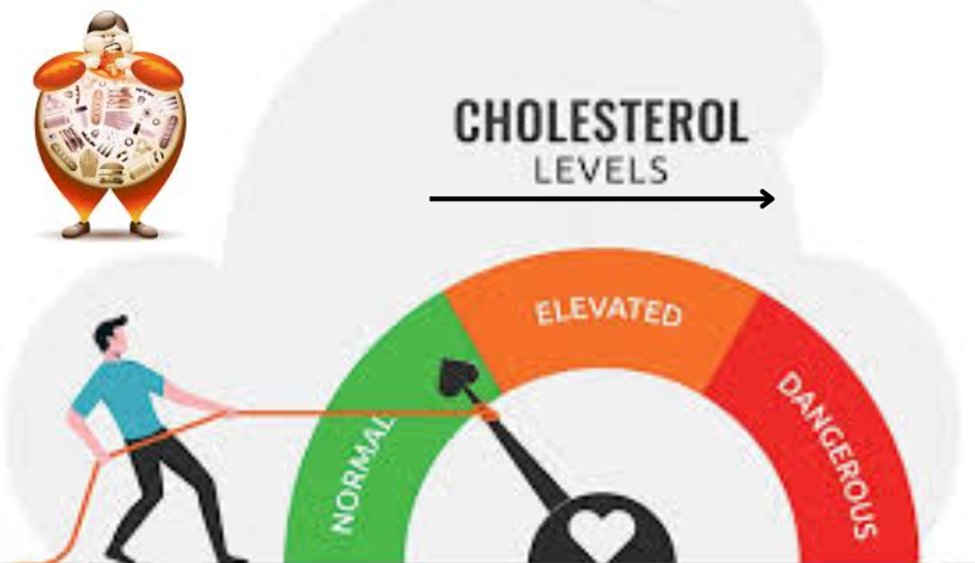
Cholesterol is essential for the body, but an excess of harmful types can significantly increase the risk of heart disease. Low-density lipoprotein (LDL), frequently referred to as “bad” cholesterol, plays a role in plaque accumulation in the arteries, heightening the risk of blockages, heart attacks, and strokes. Conversely, high-density lipoprotein (HDL), known as “good” cholesterol, assists in eliminating LDL from the blood. To sustain healthy cholesterol levels, embrace a heart-friendly diet abundant in fiber, beneficial fats (such as those present in avocados and nuts), and lean proteins.
CONCLUSION
Safeguarding your heart begins with the decisions you take each day. Minor, eco-friendly lifestyle adjustments—like consuming a heart-healthy diet, remaining active, handling stress, and obtaining adequate sleep—can greatly reduce your chances of developing heart disease. Controlling cholesterol and blood pressure, stopping smoking, reducing alcohol intake, and achieving a healthy weight enhance your heart health and overall wellness. The essential factor is consistency—each positive action you take today helps build a healthier future. By focusing on your heart health today, you are securing a future filled with vitality and longevity. Begin modestly, remain dedicated, and adopt a heart-healthy way of living for enduring advantages.