
 By
By 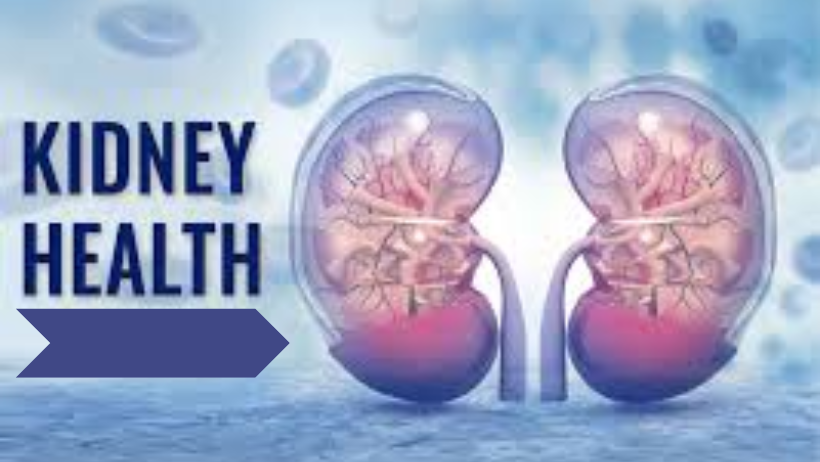
INTRODUCTION
Recent research has underlined the importance of physical activity in maintaining kidney health and general well-being. Regular exercise not only improves physical health, but it also helps to manage and avoid kidney disease. This essay discusses the importance of exercise for kidney health, outlines effective fitness regimens for different lifestyles, and provides practical recommendations for incorporating physical activity into daily living.
The Benefits of Exercise for Kidney Health
Regular exercise is essential for kidney health because it improves overall circulation, regulates blood pressure, and helps you manage your body weight—all of which are critical factors in preventing kidney disease. Physical activity improves cardiovascular health, lowering the risk of illnesses like hypertension and diabetes, which are major causes of kidney impairment. Furthermore, exercise reduces inflammation and oxidative stress, both of which can impair kidney function. Tailored exercise regimens can assist people with chronic kidney disease (CKD) maintain muscle strength, increase endurance, and improve their quality of life. Regular physical activity can considerably improve kidney function
Fitness Programs That Work for Various Lifestyles
Regardless of one’s lifestyle, it is imperative to incorporate exercise into daily life. The following fitness regimens are customised to match different schedules and tastes:
1. For busy professionals
Stressful scheduling conditions can make searching for exercise time difficult. However, integrating short, effective workouts can make a significant difference:
High-Intensity Interval Training (HIIT): Short bursts of intense exercise followed by rest periods can be completed in 20-30 minutes.
Desk Exercises: Simple stretches and movements performed at the workstation can improve circulation and reduce muscle tension.
Active Commuting: Walking or cycling to work adds physical activity to the daily routine.
2. For the Stay-at-Home Individual
Home-based exercises provide flexibility and convenience:
Bodyweight Exercises: Squats, lunges, and push-ups require no equipment and effectively build strength.
Online Fitness Classes: Virtual sessions offer guided workouts ranging from yoga to aerobics.
Household Chores: Activities like cleaning and gardening can serve as moderate-intensity exercises.
3. For Senior Citizens
For elders, maintaining balance and mobility is essential:
Walking is a cardiovascular-healthy, low-impact activity.
Qigong and Tai Chi: These exercises improve mental calmness, balance, and flexibility.
Water Aerobics: Water activities offer resistance training while being easy on the joints.

4. For Those Who Love Fitness
Those who are currently active can improve kidney health even more by varying their workouts:
Strength Training: Gaining muscle improves general health and metabolism.
Yoga: Benefits the body and mind by increasing flexibility and lowering stress.
Swimming and cycling are low-impact sports that improve the cardiovascular system.
Integrating Exercise into Everyday Life
Exercise advantages require consistency to reach its full potential.
Here are some techniques for incorporating physical activities seamlessly:
Set Realistic Goals: Begin with manageable aims and progressively increase intensity.
Schedule Workouts: Treat exercise sessions like essential engagements.
Find Pleasurable Activities: To stay motivated, do exercises that you enjoy.
Utilise Technology: Trackers and fitness applications can track results and send out reminders.
Social Engagement: Participating in classes or groups increases commitment by introducing a social component.
Safety Factors
It’s crucial to do the following before beginning any new exercise program, particularly for people who already have kidney disease:
Consult your healthcare providers to make sure the activities you choose fit your current state of health.
Start Slowly: To avoid injuries, increase effort gradually.
Remain Hydrated: When engaging in physical exercise, adequate hydration promotes kidney function.
Pay attention to your body’s signals of exhaustion and take breaks when necessary.
Highlights of Recent Research
Recent research emphasises how crucial exercise is for kidney health:
Exercise and the Prevention of kidney Disease: Studies show that regular exercise can prevent the deterioration of renal function in older persons.
Exercise Habits and Health Results: Research indicates that weekend warriors, or people who focus their workouts on one or two days, may experience health advantages similar to those of people who work out frequently during the week.
In conclusion
Frequent exercise is essential for kidney health and has advantages for general wellbeing in addition to the renal system. Maintaining kidney health becomes a feasible and long-term undertaking by implementing exercise regimens customised to each person’s tastes and lifestyle. Adopting an exercise regimen not only improves physical fitness but also gives people the ability to live longer, healthier lives.