
 By
By 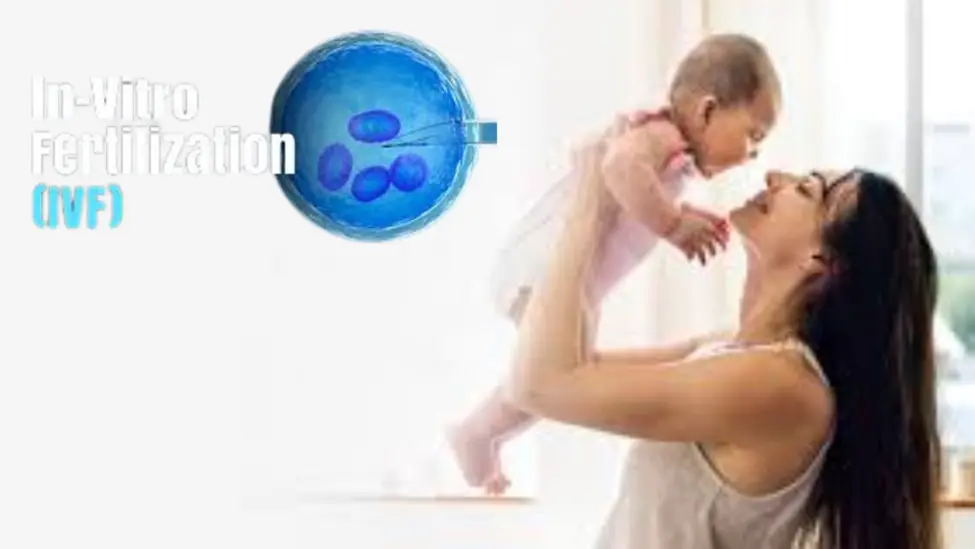
Understanding women’s reproductive health is a journey that is both insightful and empowering. This detailed guide explores the various elements of reproductive health, emphasizing recent progress, existing challenges, and the significance of making informed decisions.
1. The Overview of Women’s Reproductive Health
Women’s reproductive health includes a wide range of services such as contraception, fertility care, maternal health, and menopause management. Recent statistics highlight both the inequalities and advancements in this area. For example, the 2024 KFF Women’s Health Survey, carried out from May to June 2024, offers a nationally representative view of women’s health experiences across the United States.
2. Contraception: Evolving Choices and Trends
The variety of contraceptive methods has increased, giving women greater control over their reproductive decisions. In a notable advancement, the FDA has authorized Miudella, a novel hormone-free intrauterine device (IUD), which is the first of its kind to receive approval in four decades. Miudella is a low-dose copper device that can avert pregnancy for as long as three years and is expected to be available later this year.
Nevertheless, an important trend is surfacing among younger women. The wellness movement is encouraging Gen Z women to avoid the contraceptive pill and other hormonal treatments, according to Dr. Janet Barter, president of the Faculty of Sexual and Reproductive Healthcare. This inclination is driven by a preference for staying “natural” and skepticism towards pharmaceuticals, prompting young women to disregard medical recommendations regarding hormonal contraceptives, which are beneficial for addressing conditions such as endometriosis and menstrual discomfort, in addition to preventing pregnancy.
3. Fertility Care: Access and Barriers
Access to fertility services is still inconsistent. The 2024 KFF Employer Health Benefits Survey reports that approximately a quarter (27%) of major companies offering health benefits include coverage for in vitro fertilization (IVF) services. This limited insurance coverage creates financial barriers for many individuals seeking fertility solutions.
In India, the United Nations Population Fund (UNFPA) State of World Population 2024 report points to substantial population growth, estimating India’s population at 1.44 billion. While maternal health has seen improvements, significant disparities continue to exist, especially in rural regions where access to quality reproductive health services is lacking.
4. Menopause: Bridging the Knowledge Gap
Menopause, a natural stage in a woman’s life, is often surrounded by insufficient discussion and understanding. A recent survey indicated that 60% of women have learned about menopause entirely through self-education, with a large percentage feeling under-equipped compared to the wealth of information available regarding pregnancy. Despite spending over 30% of their lives in a menopausal state, only 25% feel knowledgeable about perimenopause, and 34% about menopause according to their healthcare providers.
5. The Consequences of Procrastinated Gynecological Care
Accessing gynecological care in a timely manner is essential for identifying and managing reproductive health concerns. Waiting can result in extended distress and worsening of ailments. A report from the Royal College of Obstetricians and Gynaecologists (RCOG) shows that 760,000 women are currently awaiting non-cancer gynecology treatments, a number worsened by the pandemic. This postponement adversely affects women’s capacity to engage in work, social activities, and uphold their mental well-being.
6. International Inequities in Reproductive Health
On a global scale, disparities in reproductive health are significant. The UNFPA’s 2024 State of World Population report points out that although substantial global advancements in sexual and reproductive health have occurred over the past thirty years, millions of women and girls have not reaped the benefits due to their identity or place of birth. Marginalized groups frequently encounter systemic obstacles to obtaining high-quality reproductive health services.
7. The Importance of Education and Awareness
Equipping women with information regarding their reproductive health is essential. Educational programs can help eliminate misconceptions, lessen stigma, and encourage well-informed choices. Healthcare professionals have a crucial role in this process, providing advice suited to individual circumstances and cultural settings.

8. Adopting a Comprehensive Approach
The reproductive health of women is closely linked to their physical, emotional, and social well-being. A comprehensive approach takes all these dimensions into account, guaranteeing thorough care. This encompasses routine health check-ups, support for mental well-being, and encouraging candid discussions regarding reproductive health issues.
9. Advancing Forward: Advocacy and Policy Changes
Advocacy and changes in policy are crucial for tackling systemic challenges in reproductive health. This requires ensuring fair access to services, supporting research on women’s health topics, and establishing educational initiatives. Collaborative efforts involving governments, healthcare professionals, and communities can bring about significant progress.
Conclusion
Gaining insight into women’s reproductive health is an ongoing journey that demands curiosity, compassion, and active participation. By remaining informed and advocating for holistic care, we can help create a world where every woman has access to the resources and support needed to manage her reproductive health with confidence and respect.