
 By
By 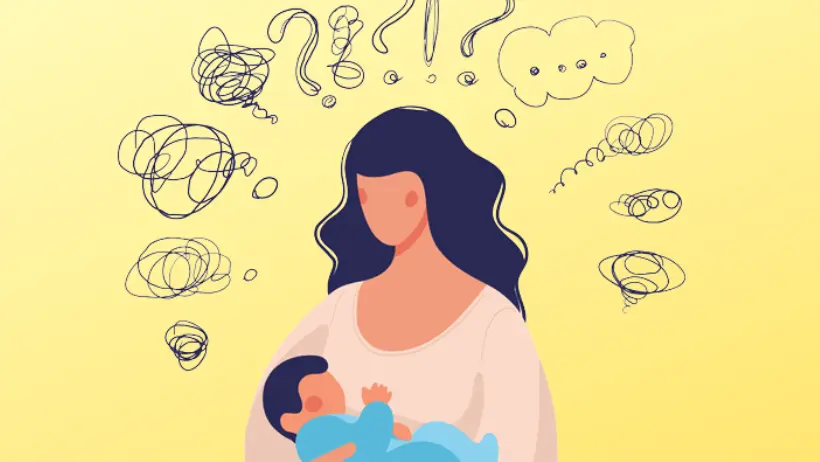
Introduction:
It’s said to be miraculous to bring a tiny human into the world. You picture a heart so full of love that it might burst, along with gentle lullabies and baby laughs. The postpartum storm, which appears like an unexpected visitor who won’t go, is what you don’t expect.
Postpartum depression does exist. You’re not alone, and no, you’re not a bad mother for worrying that your sanity and glass could be shattered simultaneously by your baby’s cries. But don’t worry! To keep things organized, we’ll utilize science, comedy, and a few bullet points to navigate this crazy journey since, let’s face it, your mind is already overflowing with baby formula and sleep deprivation.
Comprehending Postpartum Depression
Before we discuss coping mechanisms, let’s first discuss the facts.
PPD is widespread. Approximately 1 in 8 women suffer from postpartum depression, according to the CDC. Many of us have questioned why our neonates were not equipped with a mute button.
It’s more than the “baby blues”—PPD lingers like that one friend who never gives a signal to go, in contrast to the fleeting weepiness of baby blues.
It is mental, emotional, and hormonal. Assembling IKEA furniture without instructions just put your body through the equivalent of a marathon. It’s common to feel strange.
Symptoms: PPD’s Warning Signs
You can’t ignore these symptoms, which are similar to a crying infant at three in the morning:
Inexplicable sadness: You may have postpartum depression (PPD) if you find yourself crying into your baby’s onesie while watching a diaper commercial.
Extreme fatigue: While sleep deprivation is common, PPD may be the cause if you feel exhausted all the time, even after a rare nap.
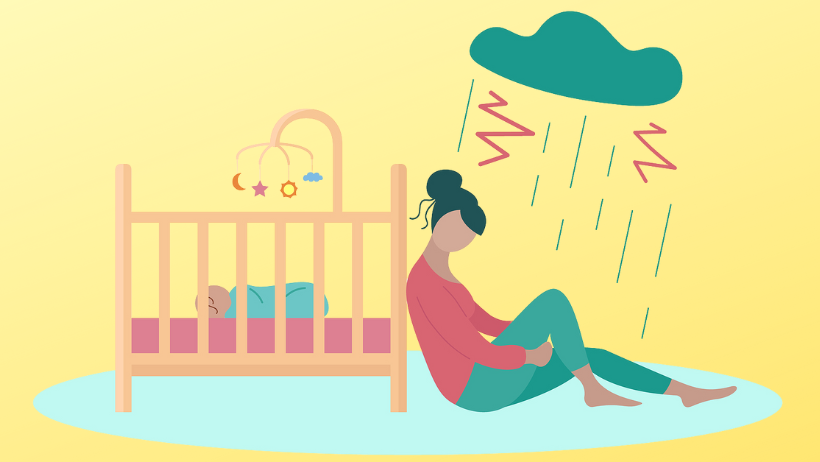
Loss of passion for things you used to love It’s a warning sign if you used to binge-watch Netflix and now even your favorite show feels like a job.
If you’re feeling like a bad mother, know that you’re not! However, it’s time to deal with your brain if it continues to tell you otherwise.
Coping Mechanisms That Are Effective
Now for the good stuff: how to make it through the postpartum jungle and even thrive.
1. Recognize that it’s acceptable to not feel okay
Being a mother is messy, draining, and frequently perplexing. Let the baby join you while you cry it out.
Instagram moms with flawless accounts should be ignored; they use filters. You have stains from spitting.
2. Take a nap when the infant does, or at least act like you do.
Everyone says this, but let’s face it, the baby’s naps are your sole opportunity to eat, take a shower, or just gaze at a wall.
But if you’re being destroyed by lack of sleep, get help. Ask your buddies, your lover, or the Amazon delivery man for assistance.
3. Rely on Your Network of Support
Find a therapist, parent groups, or even that oversharing neighbor at the mailbox to have a conversation about it.
Allow others to assist: Give the baby to someone like a hot potato if they volunteer to hold it while you sleep.
4. Move, even if it’s just to grab another snack in the kitchen.
Exercise is beneficial, but don’t feel rushed to “bounce back” right away. Let your body rest; it just created a full individual.
Cardio can include a quick stroll with the infant (extra points if you’re speed-walking to get the crying to stop).
5. Examine Your Diet: Cookies and Coffee Are Not Food Groups
Consume full grains, healthy fats, and protein. Coffee is a need, to be sure, but balance it with real nourishment.
Staying hydrated is essential. Your body requires water, not just formula or breast milk.
6. Laugh (because you could cry again if you don’t).
Find comedy amid the chaos. Babies defecate at the worst possible times, toddlers scream for no apparent reason, and parenthood is effectively controlled chaos.
Watch a funny program, talk to a hilarious buddy, or simply Google “babies making weird faces.” Laughter definitely is therapeutic.

7. Seek Professional Help (Therapy is Your Best Friend).
Therapy is more than just for serious breakdowns; it is also about self-care.
There are treatments for PPD, and they are not indicative of weakness. They show that you want to be the best version of yourself for your baby.
When to Get Help: SOS Signs
If your symptoms are severe, linger more than two weeks, or include thoughts of killing yourself or your baby, get medical attention immediately. PPD is treatable and not to be ashamed of.
The National Suicide Prevention Lifeline (988)
Contact Postpartum Support International at 1-800-944-4773.
Call your doctor; they sincerely want to help!
Final Thoughts: You Got This!
Motherhood is not about being perfect; rather, it is about surviving and finding joy in the midst of turmoil. You are not alone, you are not failing, and you are sufficient just as you are.
So take a deep breath, give that baby to your partner and know you’re doing an amazing job. Although postpartum depression might be difficult, it is not the end of your experience. And one day, you’ll be the mom who laughs at the thought of crying over a diaper commercial.
Until then, coffee is helpful. Chocolate also does.